Feeding and Weight Check Home Visits in Tbilisi | Dr. Tuto
Learn when to book a feeding and weight check visit for your newborn, signs your baby is eating enough, and advantages of home assessment in Tbilisi.
By Dr. Tamar (Tuto) Baramidze · 9 min read
Quick Answer
You should book a feeding and weight check home visit when your baby hasn't regained their birth weight by day 10, shows signs of inadequate feeding like fewer than 6 wet diapers daily after day 5, or if you have concerns about milk supply or latch issues. Most babies need their first weight check between days 3-5, with follow-up visits scheduled based on individual progress.
When it comes to feeding and weight monitoring for your newborn, knowing when to seek professional assessment can make all the difference in establishing healthy growth patterns. Many international families in Tbilisi find themselves uncertain about normal feeding patterns and weight changes, especially when cultural differences and language barriers add complexity to early parenthood. Home visits for feeding and weight checks provide personalized evaluation in your comfortable environment while ensuring your baby receives appropriate medical monitoring during this critical period.
Understanding Normal Feeding Patterns and Weight Changes
Newborns typically lose 7-10% of their birth weight in the first few days of life before beginning to regain weight. This initial weight loss happens because babies are born with extra fluid and because feeding takes time to establish. Your baby should start gaining weight consistently by day 4-5 and return to their birth weight by 10-14 days of age.
Breastfed babies often take slightly longer to regain their birth weight compared to formula-fed babies, which is completely normal. The pattern of weight gain matters more than the exact speed. A healthy baby gains approximately 20-30 grams per day after the initial weight loss period, though this can vary significantly between individual babies.
The establishment of feeding rhythms varies considerably among newborns. Some babies naturally fall into predictable feeding schedules within the first week, while others may take several weeks to develop consistent patterns. Factors such as birth weight, gestational age at delivery, and feeding method all influence how quickly your baby establishes regular feeding behaviors.
Cultural feeding practices common among Tbilisi's international community can sometimes conflict with medical recommendations, creating confusion for new parents. Professional guidance helps navigate these differences while respecting family traditions and ensuring optimal nutrition for your growing baby.
Signs Your Baby Is Getting Enough Food
Adequate feeding shows through several reliable indicators that you can monitor at home. Here's what to watch for:
• At least 6 heavy wet diapers per day after day 5 • Pale yellow or clear urine (not dark or concentrated) • Regular bowel movements (frequency varies by feeding type) • Periods of quiet alertness between feeds • Active feeding with natural release from breast or bottle • Good muscle tone and appropriate responsiveness • Steady weight gain after initial loss period • Satisfied behavior after most feeds
Wet diapers provide one of the most accurate measures of milk intake. After day 5, your baby should produce at least 6 heavy wet diapers in 24 hours. The urine should be pale yellow or clear, not dark or concentrated.
Bowel movements also indicate feeding adequacy, though patterns vary more than wet diapers. Breastfed babies typically have frequent, loose, yellow stools in the first weeks, while formula-fed babies may have firmer, less frequent stools. The absence of stools for more than 3 days in a breastfed baby or more than 2 days in a formula-fed baby warrants evaluation.
Your baby's behavior and alertness provide additional clues about nutrition status. Well-fed babies have periods of quiet alertness, sleep well between feeds, and show good muscle tone. They should feed actively and seem satisfied after feeds, releasing the breast or bottle naturally rather than falling asleep immediately due to exhaustion.
When Weight Checks Become Necessary
The timing of professional weight checks depends on several factors including birth weight, initial weight loss, and feeding establishment. Babies who lose more than 10% of their birth weight need closer monitoring, typically with weight checks every 2-3 days until weight gain stabilizes. Premature babies or those born smaller than expected often require more frequent monitoring.
Dr. Tuto evaluates not just the numbers on the scale but also your baby's overall feeding behavior, hydration status, and growth patterns. She assesses whether weight changes align with your baby's individual circumstances, including gestational age at birth, initial weight loss, and feeding method.
Certain situations call for immediate weight evaluation regardless of timing. If your baby becomes increasingly sleepy and difficult to wake for feeds, shows signs of dehydration like dry mouth or decreased skin elasticity, or if you notice a sudden change in feeding behavior, professional assessment helps determine whether intervention is needed.
When to Call 112 Immediately
If your baby shows any of the following signs, call 112 immediately: extreme lethargy and difficulty waking for feeds, no wet diapers for more than 8 hours after day 5, persistent vomiting that prevents keeping feeds down, or signs of severe dehydration like sunken fontanelle or very dry mouth.
Home Visit Advantages for Feeding Assessment
Full Checkup home visits provide unique advantages for feeding and weight evaluation that office visits cannot match. Dr. Tuto can observe your natural feeding environment, assess your comfort level with breastfeeding or bottle preparation, and identify environmental factors that might affect feeding success. This comprehensive evaluation often reveals solutions that pure weight measurement cannot provide.
The familiar environment helps both you and your baby remain relaxed during the assessment. Stress can affect milk letdown for breastfeeding mothers and feeding behavior in babies. Home evaluation allows for real-time problem-solving and education in your own space with your own feeding setup.
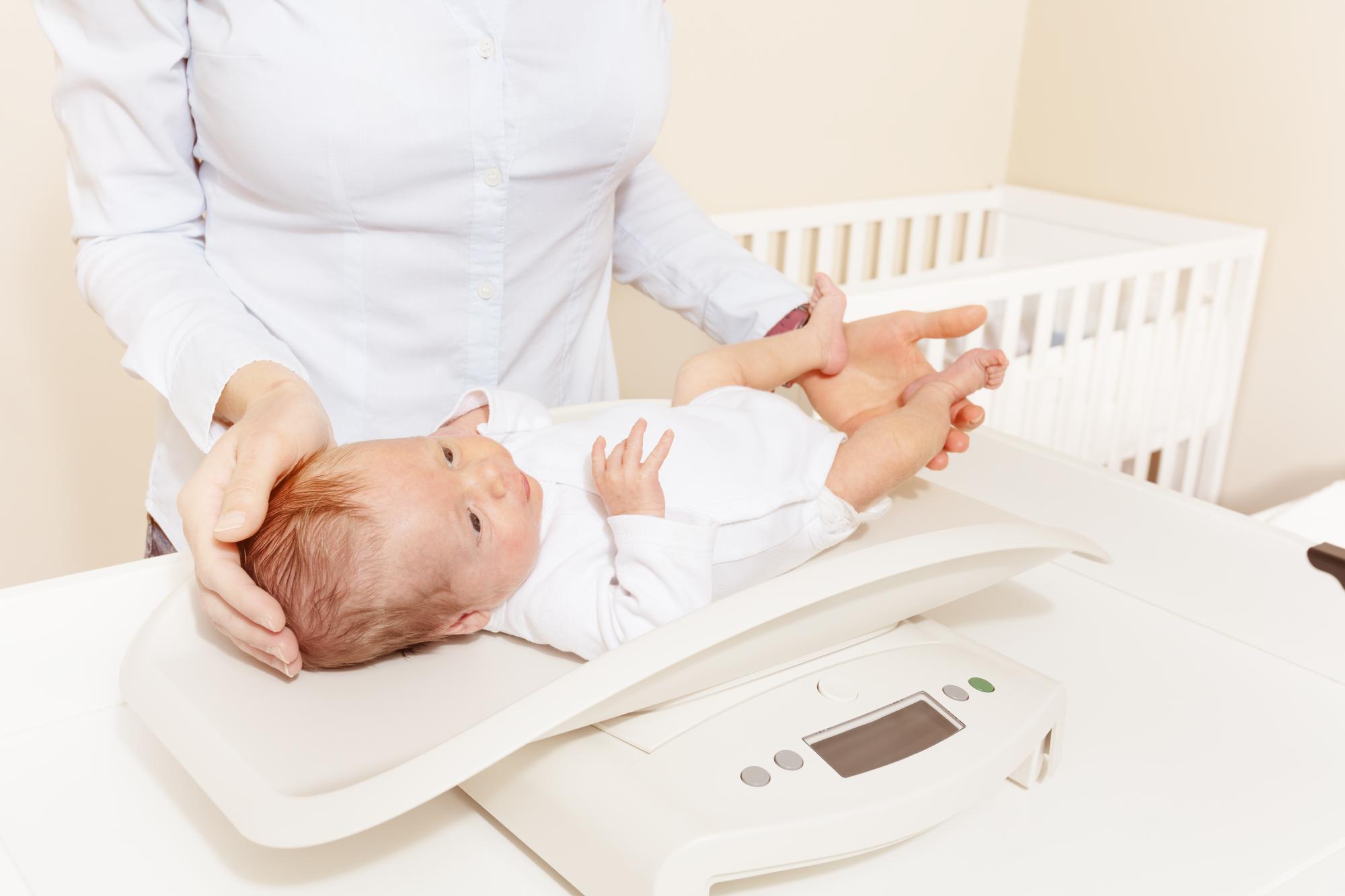
Weight measurement at home eliminates the stress of traveling with a newborn to a clinic, especially during Tbilisi's challenging weather or traffic conditions. The portable scale provides accurate measurements while allowing your baby to remain in their comfortable routine.
For international families living in Georgia, specialized international newborn care through home visits offers culturally sensitive support that understands the unique challenges of raising a newborn while adapting to a new country. Language barriers, different healthcare systems, and separation from extended family support networks can all impact feeding success and parental confidence.
Establishing a Feeding and Growth Plan
Professional feeding assessment involves creating an individualized plan based on your baby's specific needs and circumstances. This includes determining optimal feeding frequency, evaluating milk transfer effectiveness for breastfeeding mothers, and establishing realistic weight gain expectations. The plan considers your family's goals, cultural feeding practices, and any medical factors affecting growth.
Dr. Tuto works with international families in Tbilisi to navigate feeding decisions that align with both medical recommendations and family preferences. She provides guidance on combining different feeding approaches when needed and helps establish sustainable routines that work for your specific situation.
Follow-up scheduling depends on your baby's progress and your confidence level with feeding. Some families benefit from weekly visits until feeding is well-established, while others need only occasional check-ins. The goal is ensuring healthy growth while building your confidence in recognizing your baby's feeding needs.
During your baby's first week at home, establishing feeding patterns takes priority, and having access to international newborn care in Georgia ensures you receive culturally sensitive support that understands the unique needs of expatriate families.
When to Call 112
If your baby is in immediate danger, call 112 now. Do not wait.
Call 112 immediately if your baby shows any of these signs:
- Blue coloring around lips, face, or fingernails during or after feeds
- Choking, gasping, or stopped breathing during feeds
- Extreme lethargy — cannot be woken to feed after repeated attempts
- Not breastfeeding at least 8 times in 24 hours, or bottle-feeding at least 6 times in 24 hours
- Repeated projectile vomiting or vomit with blood or green/yellow color
- No wet diapers for 12 hours or more
- Sunken soft spot (fontanelle) on top of the head
- Cold, mottled, or gray skin that does not warm up
Frequently Asked Questions
How often should my newborn be weighed in the first month?
Healthy babies typically need weight checks at 3-5 days, 10-14 days, and around one month of age. Babies with initial weight loss over 10% or feeding challenges may need more frequent monitoring every 2-3 days until growth stabilizes.
What if my baby seems hungry all the time but isn't gaining weight well?
Frequent hunger without adequate weight gain often indicates inefficient milk transfer rather than insufficient appetite. This situation requires professional evaluation of feeding technique, milk production, or underlying medical issues that might affect nutrient absorption.
Can I rely on my home scale for accurate weight tracking?
Home scales designed for adults lack the precision needed for newborn weight monitoring. Professional pediatric scales measure in smaller increments and provide the accuracy necessary for medical decision-making about feeding adequacy.
How do I know if my breastmilk supply is adequate for my baby's needs?
Adequate milk supply shows through consistent weight gain, sufficient wet and dirty diapers, and your baby's satisfaction after feeds. Professional assessment can evaluate milk transfer effectiveness and provide strategies to optimize breastfeeding success.
Ready to Get Help?
Dr. Tuto Baramidze, Pediatrician & Neonatologist, provides comprehensive feeding and weight check home visits throughout Tbilisi, offering personalized care that respects your family's cultural background while ensuring optimal nutrition for your baby. Her experience with international families means you'll receive culturally sensitive support during this important time.
Book your feeding assessment visit today — Available 7 days a week across all districts of Tbilisi.
Sources
Dr. Tamar (Tuto) Baramidze
Pediatrician & Neonatologist, Tbilisi
20+ years of experience in newborn and pediatric care. Trusted by families from 30+ countries.
Read full profile →