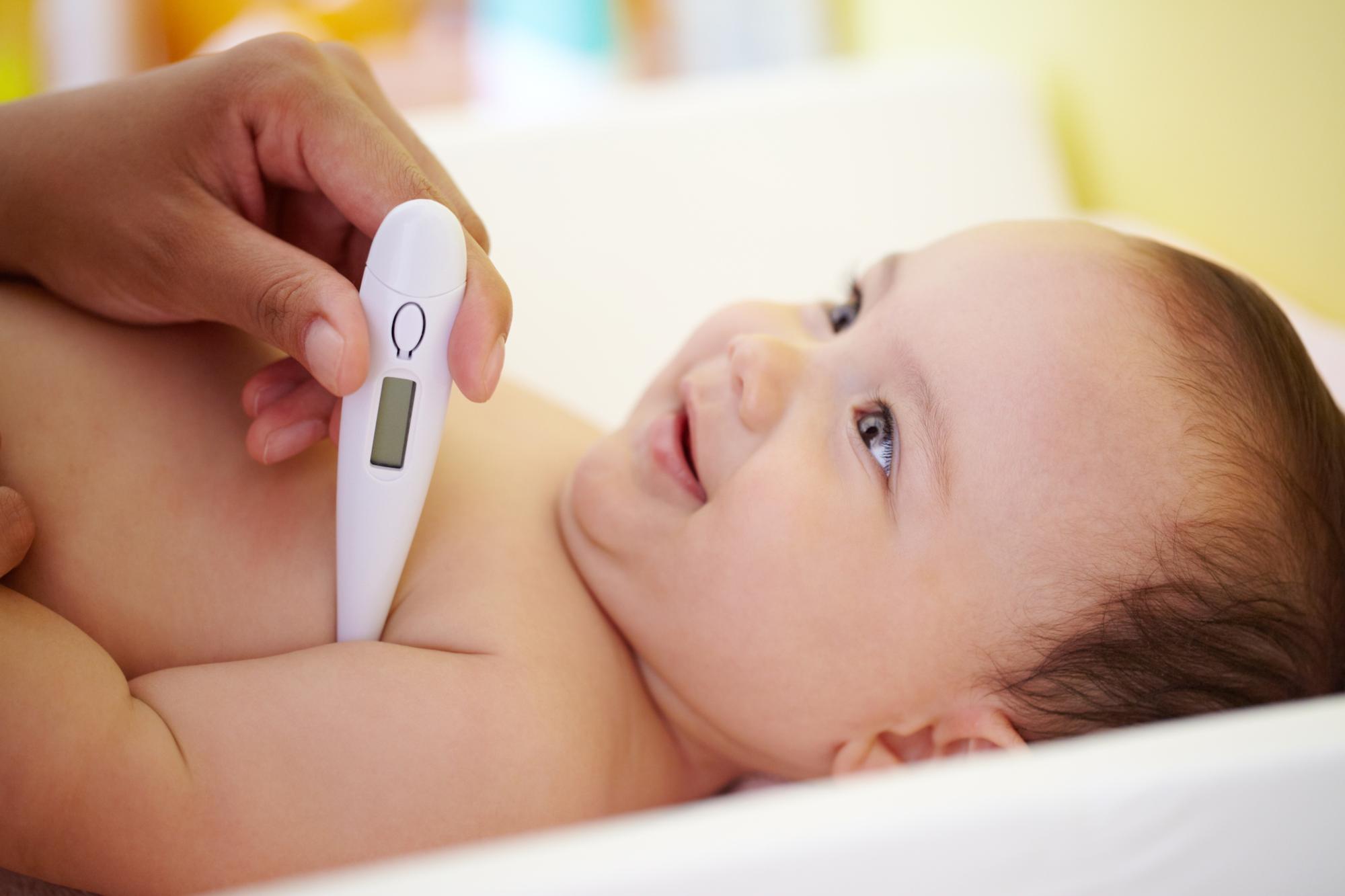
Fever in Newborns: When Is It Dangerous? | Dr. Tuto
Any fever in a newborn under 28 days old requires immediate medical evaluation. Learn the warning signs, why fever is more dangerous in newborns, and what medical evaluation involves.
By Dr. Tamar (Tuto) Baramidze · 7 min read
Quick Answer
Any fever in a newborn under 28 days old requires immediate medical evaluation. A rectal temperature of 38°C (100.4°F) or higher in this age group indicates a potentially serious infection that needs urgent assessment and treatment.
Understanding Normal Temperature in Newborns
Newborn body temperature regulation differs significantly from older children and adults. A normal rectal temperature for newborns ranges between 36.5°C and 37.5°C (97.7°F to 99.5°F). Their immature thermoregulatory system makes them particularly vulnerable to temperature fluctuations.
Rectal temperature measurement provides the most accurate reading for newborns. Ear thermometers and forehead strips often give unreliable results in this age group. When taking a rectal temperature, insert the thermometer no more than 1.5 centimeters and hold it steady for the full measurement time.
Environmental factors can affect your baby's temperature. Overdressing, hot rooms, or recent feeding may cause temporary temperature elevation. However, these factors rarely cause true fever reaching 38°C or above.
Why Fever Is More Dangerous in Newborns
Newborns have immature immune systems that cannot effectively fight infections. Their white blood cells lack the experience to recognize and combat bacteria and viruses efficiently. This vulnerability makes even minor infections potentially life-threatening.
The blood-brain barrier in newborns is not fully developed, allowing infections to spread more easily to the central nervous system. Bacterial meningitis, though rare, occurs more frequently in newborns than in older infants and can develop rapidly.
Young babies also have limited ways to show illness. Unlike older children who can point to pain or describe symptoms, newborns may only display subtle changes in behavior, feeding patterns, or temperature. Dr. Tuto, a Pediatrician & Neonatologist, emphasizes that fever often represents the most obvious sign that something requires immediate attention.
Serious bacterial infections in newborns can progress within hours. Group B Streptococcus, E. coli, and Listeria represent common culprits that can cause sepsis, pneumonia, or meningitis. Early detection and treatment significantly improve outcomes for these conditions.
Recognizing Fever and Associated Warning Signs
A rectal temperature of 38°C (100.4°F) or higher constitutes fever in newborns. Check the temperature if your baby feels warm to touch, appears flushed, or seems unwell. Trust your instincts as a parent – you know your baby's normal behavior patterns better than anyone.
Watch for additional concerning symptoms alongside fever. Poor feeding represents one of the earliest signs of serious illness in newborns. If your baby suddenly refuses feeds, takes significantly less milk, or vomits repeatedly, these changes warrant medical evaluation.
Changes in activity level provide important clues about your baby's condition. Unusual lethargy, difficulty waking for feeds, or excessive irritability that cannot be soothed may indicate serious infection. Some babies become unusually quiet and still, while others cry inconsolably.
Breathing changes require immediate attention. Rapid breathing (more than 60 breaths per minute), grunting sounds, or visible effort to breathe signal potential respiratory involvement. Skin color changes, particularly blue lips or fingernails, indicate oxygen problems.
When to call 112: If your baby shows any of the following signs, call 112 immediately: rectal temperature 38°C (100.4°F) or higher, difficulty breathing, blue lips or skin, extreme lethargy or difficulty waking, refusing all feeds, or continuous crying that cannot be soothed.
What Medical Evaluation Involves
Emergency evaluation of a febrile newborn follows established protocols designed to identify serious infections quickly. Dr. Tuto explains that doctors typically perform a complete sepsis workup, which includes blood tests, urine collection, and lumbar puncture to examine spinal fluid.
Blood work reveals infection markers like elevated white blood cell count and C-reactive protein levels. These tests help determine infection severity and guide treatment decisions. Bacterial cultures from blood, urine, and spinal fluid identify specific organisms causing illness.
Chest X-rays rule out pneumonia, while careful physical examination assesses for other infection sources. Doctors examine the soft spot on your baby's head, check for skin rashes, and evaluate overall appearance and responsiveness.
Antibiotic treatment typically begins immediately, before culture results return. This approach prevents infection progression while laboratory testing confirms the diagnosis. Hospital admission allows close monitoring and intravenous medication delivery.
Managing your baby's first week at home includes learning normal temperature ranges and proper measurement techniques. Understanding when fever represents an emergency helps parents respond appropriately to concerning changes.
For families seeking international newborn care in Georgia, recognizing fever warning signs ensures prompt medical attention regardless of location or healthcare system familiarity.
Prevention and Monitoring
While preventing all infections is impossible, certain measures reduce newborn exposure to harmful bacteria and viruses. Proper hand hygiene by all caregivers and visitors represents the most effective prevention strategy. Wash hands thoroughly before handling your baby, especially after using the bathroom or touching surfaces outside your home.
Limiting visitors during the first few weeks protects your vulnerable newborn. Well-meaning friends and family members can unknowingly transmit infections to newborns whose immune systems cannot yet handle common germs. Postpone visits from anyone with cold symptoms, cough, or fever until they recover completely.
Breastfeeding provides natural antibodies that help protect against infections. If breastfeeding is not possible, ensure proper formula preparation using sterilized equipment and safe water sources. Never prepare formula in advance or leave prepared bottles at room temperature for extended periods.
Monitor your baby's temperature if you suspect illness, but avoid taking frequent temperature readings without clear indication. Excessive handling can stress newborns and may not provide useful information. Focus on observing overall behavior, feeding patterns, and comfort levels rather than pursuing specific numbers.
Recovery and Follow-up Care
Newborns hospitalized for fever typically remain under observation until culture results confirm or rule out bacterial infection. Treatment duration depends on test findings and clinical improvement. Some babies require only 48-72 hours of monitoring, while others need extended antibiotic courses for confirmed infections.
After discharge, close follow-up with your pediatrician ensures complete recovery. Watch for any return of fever, feeding difficulties, or behavioral changes during the recovery period. Report these concerns immediately, as some infections can recur or develop complications days after initial treatment.
Gradually return to normal routines once your doctor confirms your baby has fully recovered. Continue monitoring temperature for several days after hospital discharge, but avoid obsessive checking that increases parental anxiety without providing medical benefit. Your pediatrician will guide you on appropriate monitoring frequency.
Future fever episodes may occur as your baby's immune system encounters new viruses and bacteria throughout infancy. However, fever tolerance and management approaches change significantly as babies grow older. By two to three months of age, immune system maturity allows for different evaluation protocols and less urgent responses to temperature elevation.
Frequently Asked Questions
Can teething cause fever in newborns?
Teething typically begins around six months of age, making it an unlikely cause of fever in true newborns under 28 days old. Any fever in this age group requires medical evaluation regardless of suspected cause, as serious infections remain the primary concern.
Should I give fever-reducing medication to my newborn?
Never give fever-reducing medications to newborns without specific medical guidance. These medications can mask important symptoms and interfere with accurate diagnosis. Medical professionals need to assess the underlying cause of fever before recommending any treatment.
How quickly can serious infections develop in newborns?
Bacterial infections in newborns can progress within hours from subtle symptoms to life-threatening illness. This rapid progression explains why medical protocols treat any fever in newborns as a potential emergency requiring immediate evaluation and treatment.
Can environmental factors cause dangerous fever in newborns?
While overdressing or hot environments can raise body temperature slightly, true fever reaching 38°C typically indicates infection rather than environmental causes. Remove excess clothing and check temperature again, but seek medical care if fever persists.
What happens if my newborn has fever but seems otherwise well?
Even well-appearing newborns with fever require medical evaluation. Young babies cannot effectively communicate discomfort and may not show obvious signs of illness until infections become severe. Medical assessment helps identify serious conditions before they progress.
Check availability (30 sec) — Dr. Tuto Baramidze provides Full Checkup home visits for newborns across Tbilisi.
Sources
Dr. Tamar (Tuto) Baramidze
Pediatrician & Neonatologist, Tbilisi
20+ years of experience in newborn and pediatric care. Trusted by families from 30+ countries.
Read full profile →