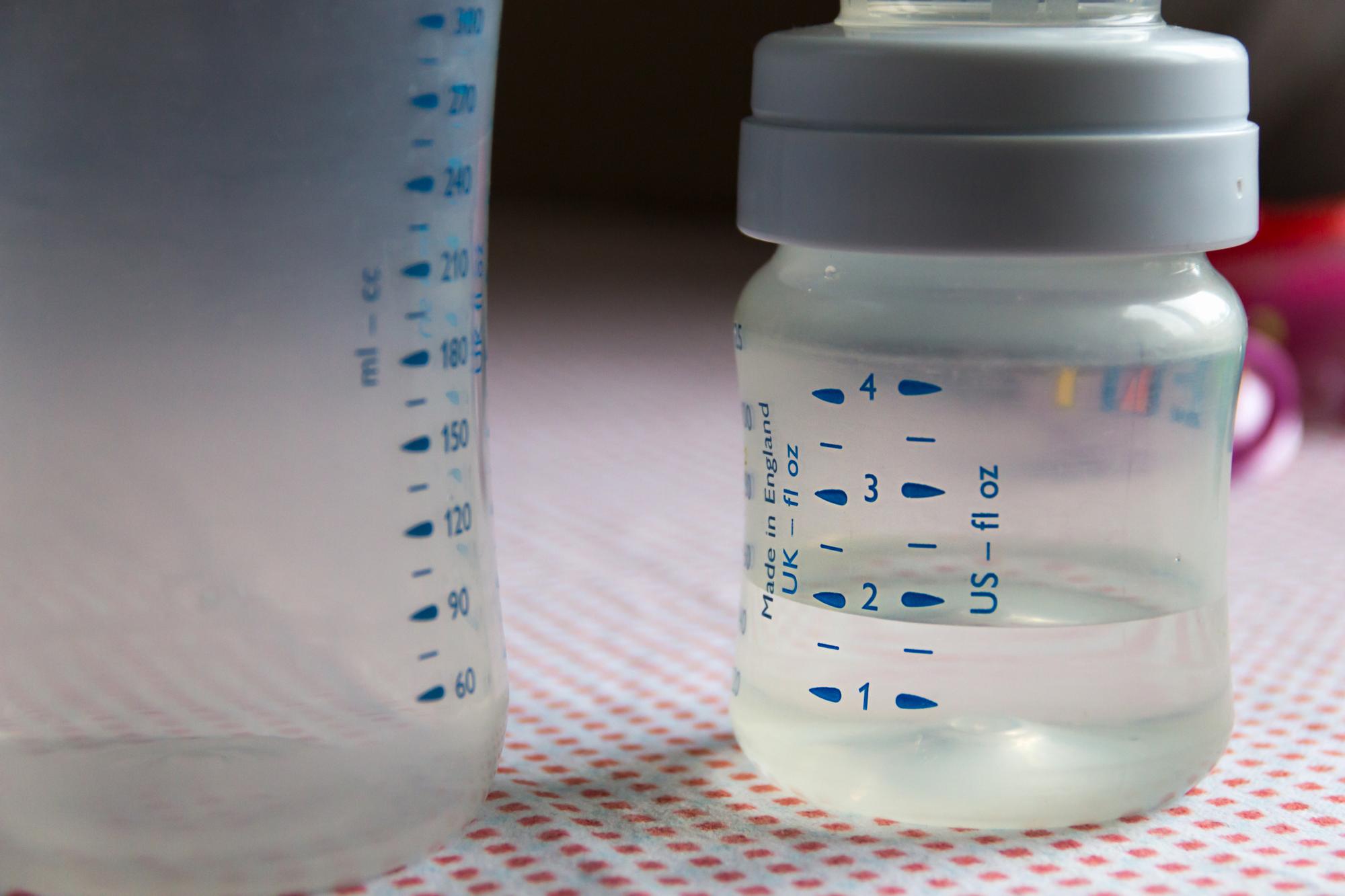
How Much Formula Does a Newborn Need? Complete Feeding Guide
Learn the right formula amounts for your newborn, from first feedings to weekly increases. Understand feeding schedules, hunger cues, and safe preparation guidelines.
By Dr. Tamar (Tuto) Baramidze · 7 min read
Quick Answer
A newborn needs 1.5 to 3 ounces of formula per feeding during the first few days, gradually increasing to 2 to 4 ounces per feeding by the end of the first week. Most newborns feed every 2 to 3 hours, consuming approximately 8 to 12 feedings per day.
Starting Amounts for the First Few Days
During the first 24 to 48 hours of life, your newborn's stomach is incredibly small, roughly the size of a marble. This means they can only hold about half an ounce to one ounce of formula at a time. Many new parents worry when their baby only takes small amounts, but this is completely normal and expected.
Your baby's stomach capacity grows rapidly during the first week. By day three, their stomach can hold about one ounce of formula. By day five, this increases to approximately 1.5 to 2 ounces per feeding. These small amounts are perfectly adequate to meet your newborn's nutritional needs during this early period.
It's important to let your baby set the pace rather than forcing them to finish a bottle. Some babies may take slightly less, while others may want a bit more. Watch for your baby's hunger and satiety cues rather than focusing solely on the amount consumed.
Weekly Formula Increases
As your baby grows, their formula needs increase predictably. During the second week of life, most babies consume 2 to 4 ounces per feeding. By one month old, this typically increases to 3 to 4 ounces per feeding. The general rule is that babies need about 2.5 ounces of formula per pound of body weight per day.
For example, a 7-pound newborn would need approximately 17.5 ounces of formula per day, divided across 8 to 10 feedings. This works out to about 2 to 3 ounces per feeding. As your baby gains weight, these amounts will naturally increase.
The frequency of feedings usually remains consistent during the first month, with most babies feeding every 2 to 3 hours around the clock. Some babies may go slightly longer between feeds during the night, but newborns generally need frequent feeding to support their rapid growth and development.
Signs Your Baby Is Getting Enough Formula
Weight gain is the most reliable indicator that your baby is consuming adequate formula. Healthy newborns typically lose 5 to 10 percent of their birth weight during the first week, then regain this weight by 10 to 14 days of age. After the initial weight loss, babies should gain approximately 5 to 7 ounces per week during the first few months.
Checklist: Is Your Baby Getting Enough Formula?
- Baby has at least 6 wet diapers per day by day 5 of life
- Urine is pale yellow or clear (not dark yellow)
- Baby has at least one bowel movement per day
- Baby appears satisfied and content after feeding
- Baby sleeps peacefully between feedings
- Baby regains birth weight by 10 to 14 days of age
- Baby gains 5 to 7 ounces per week during the first few months
Wet and soiled diapers provide another important measure of adequate intake. Your baby should have at least 6 wet diapers per day by day 5 of life, and the urine should be pale yellow or clear. Bowel movements vary more between babies, but most formula-fed newborns have at least one bowel movement per day.
Content behavior between feeds also indicates adequate nutrition. A well-fed baby typically appears satisfied after feeding and sleeps peacefully between feeds. However, some crying and fussiness is normal, especially during growth spurts when babies may seem hungrier than usual.
Preparing and Storing Formula Safely
Proper formula preparation ensures your baby receives adequate nutrition while minimizing the risk of contamination. Always wash your hands thoroughly before preparing formula, and sterilize bottles and nipples according to manufacturer instructions. Use the exact ratio of water to formula powder specified on the package, as concentrated or diluted formula can be harmful.
Fresh formula is safest for your newborn. Prepared formula should be used within one hour if left at room temperature, or within 24 hours if stored in the refrigerator. Never reuse formula that your baby has partially consumed, as bacteria from their mouth can multiply rapidly in the remaining formula.
For families living in Georgia, particularly those from other countries, ensuring access to clean water for formula preparation is essential. If you have concerns about your local water quality, consider using bottled water or consulting with local health authorities about water safety for infant feeding.
When to call 112: If your baby shows any of the following signs, call 112 immediately: refuses to eat for more than 8 hours, has fewer than 6 wet diapers per day after day 5, shows signs of dehydration such as sunken fontanelle or dry mouth, vomits forcefully after multiple feedings, or appears lethargic and difficult to wake for feeds.
Understanding formula feeding can feel overwhelming, especially during your baby's first week at home. Many parents benefit from guidance on feeding schedules and recognizing hunger cues. For international families adjusting to life in Georgia, establishing reliable feeding routines provides both nutritional security and peace of mind, particularly when navigating international newborn care in Georgia.
When to Call 112
If your baby is in immediate danger, call 112 now. Do not wait.
Call 112 immediately if your baby shows any of these signs:
- Blue coloring around lips, face, or fingernails during or after feeds
- Choking, gasping, or stopped breathing during feeds
- Extreme lethargy — cannot be woken to feed after repeated attempts
- Not breastfeeding at least 8 times in 24 hours, or bottle-feeding at least 6 times in 24 hours
- Repeated projectile vomiting or vomit with blood or green/yellow color
- No wet diapers for 12 hours or more
- Sunken soft spot (fontanelle) on top of the head
- Cold, mottled, or gray skin that does not warm up
Frequently Asked Questions
How do I know if my baby is still hungry after finishing a bottle?
Hungry babies typically exhibit clear feeding cues such as rooting, sucking motions, or bringing their hands to their mouth. If your baby has finished their bottle but continues showing these signs, they may need an additional half to one ounce of formula. Trust your baby's cues rather than strict feeding schedules, especially during growth spurts.
Should I wake my sleeping newborn to feed them formula?
Newborns should not go longer than 3 to 4 hours without feeding during the first few weeks of life. If your baby is sleeping longer than this, gently wake them for a feeding. Once your baby has regained their birth weight and is growing well, your pediatrician & neonatologist may advise allowing longer sleep periods.
Can I prepare formula bottles in advance for convenience?
You can prepare several bottles at once and store them in the refrigerator for up to 24 hours. This approach can be helpful for nighttime feedings or when multiple caregivers are involved. Always label bottles with preparation time and warm them safely in a bottle warmer or warm water bath before feeding.
My baby seems to want more formula than the recommended amounts. Is this normal?
Some babies have larger appetites or may be experiencing a growth spurt. As long as your baby is not vomiting frequently or showing signs of discomfort, slightly larger feeding amounts are usually acceptable. However, consistently consuming much more than recommended amounts warrants discussion with your pediatrician & neonatologist.
How can I tell if my formula is too concentrated or too diluted?
Following the exact measurements on your formula package prevents concentration issues. Signs of over-concentrated formula include constipation, excessive thirst, or kidney strain. Signs of diluted formula include inadequate weight gain, increased hunger, or excessive urination. The recommended water-to-powder ratio should be followed precisely for optimal nutrition and safety.
If you're concerned about your newborn's feeding patterns or growth, consulting with a local pediatrician & neonatologist can provide personalized guidance based on your baby's specific needs and development.
Sources
Dr. Tamar (Tuto) Baramidze
Pediatrician & Neonatologist, Tbilisi
20+ years of experience in newborn and pediatric care. Trusted by families from 30+ countries.
Read full profile →