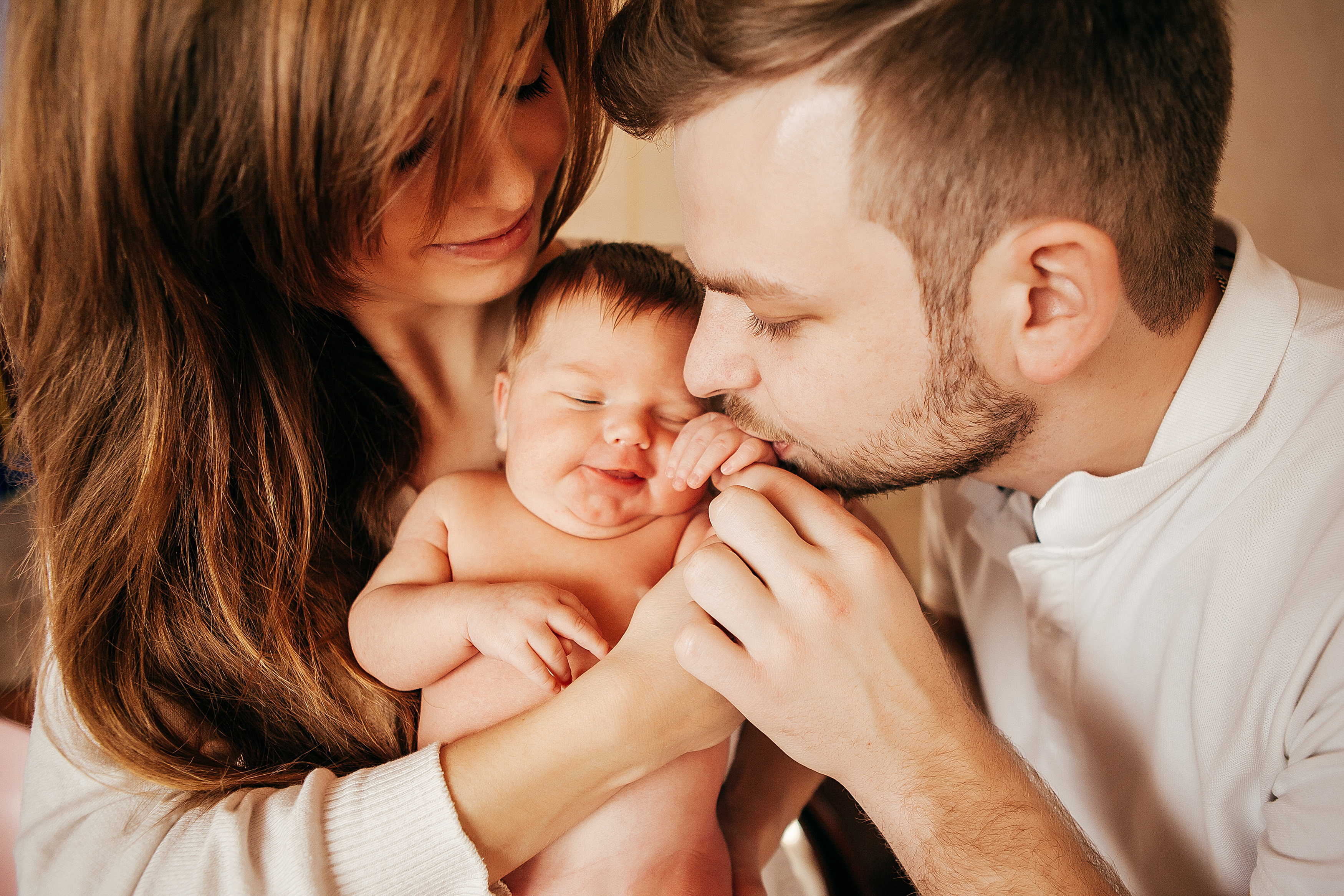
Newborn Check First Days: When You Need Doctor Tbilisi
A newborn should be checked by a doctor within 24–48 hours after discharge, especially if feeding is unclear, jaundice appears, or you are unsure what is normal.
By Dr. Tamar (Tuto) Baramidze · 6 min read
Quick Answer
A newborn should be checked by a doctor within 24–48 hours after discharge, especially if feeding is unclear, jaundice appears, or you are unsure what is normal. A proper check evaluates feeding, weight, hydration, breathing, and overall condition, and gives you a clear action plan.
When You Need a Newborn Check
Most parents are discharged from hospital within 24–72 hours after birth. That window is short, and the days that follow are when feeding establishes, weight loss peaks, and jaundice often appears. A check in this period is not only for sick babies — it is standard good practice, and particularly important if you were discharged early.
Arrange a medical check in the first days if your baby feeds poorly or inconsistently, if you are unsure whether feeding is actually effective, or if your baby is very sleepy and difficult to wake for feeds. A check is also warranted if you notice yellowing of the skin, or if you feel uncertain about your baby's breathing, temperature, or general condition.
As an international family in Tbilisi, you may not have a pediatrician already, may be unfamiliar with the local system, and may not know what threshold justifies calling a doctor — English-speaking newborn care in Tbilisi addresses exactly these concerns. A first-days check answers all of these questions and gives you a baseline for the days ahead.
What a Doctor Evaluates
Feeding
A doctor assesses how often the baby is feeding, whether feeding is effective — meaning the baby is swallowing and transferring milk — and whether the latch or bottle technique is working. The expected frequency is 8–12 feeds in 24 hours. Weak feeding, absent swallowing, or a baby who cannot sustain a feed are findings that need a plan.
Weight and Hydration
Birth weight is the reference point. A weight loss of 7–10% in the first days is expected. A loss beyond that, or weight that continues to fall after Day 3–4, requires closer monitoring or intervention. Hydration is assessed through wet nappy output and the baby's overall alertness.
Jaundice
Jaundice that appears on Day 2–3 and remains mild is common. A doctor checks when it started, how far it has spread across the body, and whether it appears to be deepening. Jaundice in the first 24 hours, or jaundice that moves quickly to the chest and limbs, requires more urgent assessment and may need a bilirubin measurement.
Breathing and General Condition
A normal respiratory rate in a newborn is under 60 breaths per minute. A doctor checks for chest retractions, grunting, nasal flaring, and abnormal color — signs that breathing is effortful rather than easy. Tone, alertness, and how the baby responds to handling give an overall picture of how well adaptation is going.
What You Get After the Check
After a proper first-days assessment, you leave with a clear feeding and monitoring plan, a specific list of warning signs to watch for at home, guidance on when to call a doctor versus when to call 112, and a follow-up schedule if needed. You are not left guessing.
Why a Home Visit in the First Days
In the first days, a full physical examination is what your baby needs — weight measurement, jaundice assessment, and breathing evaluation all require the doctor to be present in person through a Full Checkup home visit. A home visit brings that assessment to you, so your newborn stays in a calm, familiar environment.
Dr. Tuto Baramidze, Pediatrician & Neonatologist, conducts home visits across Tbilisi at your hotel or apartment. Visits are available 7 days a week, with same-day availability in most cases.
When You Should NOT Wait
If your baby shows any of these signs, call 112 immediately. Do not wait for a WhatsApp reply.
Call 112 if your baby:
- is having difficulty breathing
- has blue or gray lips, tongue, or face
- is unresponsive or cannot be woken
- has a temperature of 38°C or higher (under 3 months)
A scheduled visit is not the right response to these signs. Call 112 first.
Who This Is For
This article is written for first-time parents, parents who were discharged from hospital early, international families in Tbilisi who do not yet have a pediatrician, and anyone who is unsure whether what they are seeing is normal. If any of that describes you, a first-days check is appropriate.
Related Guides
- What to Do in the First 24 Hours with a Newborn
- What Happens in the First 3 Days After Birth
- Is My Newborn Eating Enough? Signs and When to Worry
When to Call 112
If your baby is in immediate danger, call 112 now. Do not wait.
Call 112 immediately if your baby shows any of these signs:
- Blue coloring around lips, face, or fingernails
- Difficulty breathing, gasping, or pauses in breathing longer than 10 seconds
- Extreme lethargy — cannot be woken for feeds after repeated attempts
- Seizure-like movements, rigid posturing, or sustained arching of the back
- Fever over 38°C (100.4°F) in a baby under 3 months
- Worsening yellowing (jaundice) of the skin on the chest, arms, or legs, or whites of the eyes
- Repeated projectile vomiting, especially with green or yellow color
- No wet diapers for 12 hours or more
- Odor, drainage, or bleeding from the umbilical cord
FAQ
When should a newborn be checked after birth?
Within 24–48 hours after discharge from hospital, especially after early discharge. Do not wait for a problem to appear.
Is weight loss in the first days normal?
Yes. A loss of 7–10% of birth weight is expected. Beyond that, or loss continuing after Day 4, needs medical review.
Can I do the first check online?
No. The initial assessment must be in person. Physical examination, weight measurement, and jaundice evaluation cannot be done remotely.
What if I am not sure whether my baby needs a check?
If you are unsure, that is reason enough to arrange one. A check in the first days is low-risk and gives you a clear baseline and action plan.
Evidence Base / Sources
- HealthyChildren.org (AAP): Going Home After the Newborn Stay
- HealthyChildren.org (AAP): How Often and How Much Should Your Baby Eat?
- HealthyChildren.org (AAP): Common Conditions in Newborns
- UpToDate: Overview of the Routine Management of the Healthy Newborn Infant
- NHS: Is Your Baby or Toddler Seriously Ill?
Dr. Tamar (Tuto) Baramidze
Pediatrician & Neonatologist, Tbilisi
20+ years of experience in newborn and pediatric care. Trusted by families from 30+ countries.
Read full profile →