Newborn Fever Emergency: When to Call Doctor vs Go to ER
Any fever in newborns under 3 months requires immediate emergency care. Learn the critical temperature thresholds and why newborn fevers are medical emergencies that need urgent evaluation.
By Dr. Tamar (Tuto) Baramidze · 8 min read
Quick Answer
Any fever in a newborn under 3 months old requires immediate emergency care. Rectal temperatures of 38°C (100.4°F) or higher in babies this young indicate a serious medical emergency that needs urgent evaluation, as their immune systems cannot effectively fight infections.
Understanding Newborn Fever Temperatures
Newborn fever thresholds differ significantly from older children and adults. In babies under 3 months, a rectal temperature of 38°C (100.4°F) or higher constitutes a fever requiring emergency care. This strict threshold exists because newborns have immature immune systems that cannot localize infections effectively.
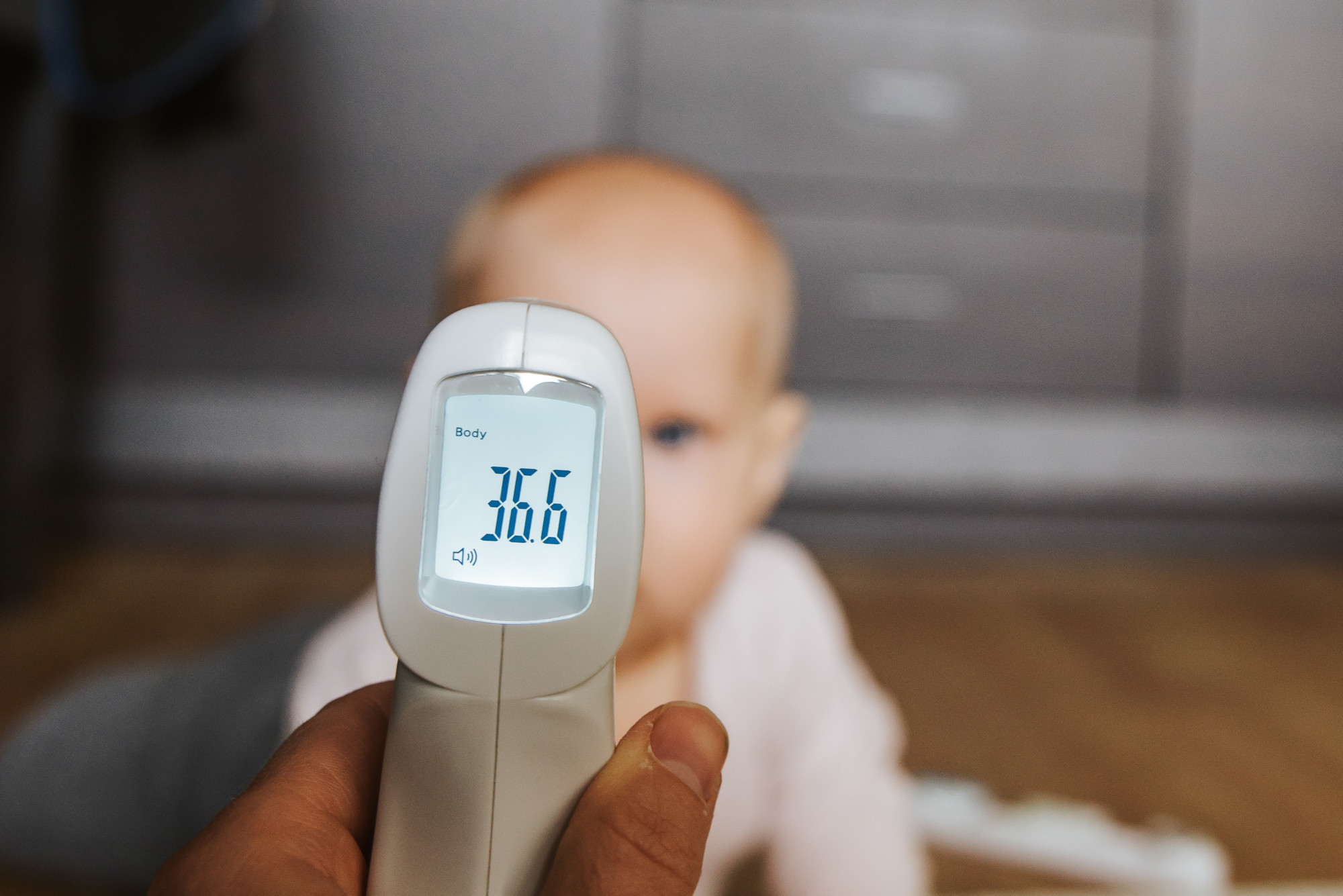
Rectal temperatures provide the most accurate readings for newborns. Ear thermometers, forehead strips, and axillary measurements can miss dangerous fevers in young infants. Digital rectal thermometers inserted no more than 1.5 centimeters into the rectum give healthcare providers the precise measurements needed for clinical decisions.
Temperature variations throughout the day are normal in healthy newborns. However, any sustained elevation above the fever threshold indicates potential serious bacterial infection, including meningitis, pneumonia, or bloodstream infections that can progress rapidly in young infants.
Why Newborn Fevers Require Emergency Care
Newborns lack the immune system maturity to fight serious bacterial infections effectively. Their blood-brain barrier remains more permeable than older children, allowing bacteria easier access to the central nervous system. This vulnerability means that seemingly minor infections can quickly become life-threatening conditions.
Bacterial meningitis occurs more frequently in newborns than any other age group. Early symptoms may include only fever, making temperature monitoring crucial for detecting these dangerous infections before they progress. The narrow window for effective treatment makes immediate medical evaluation essential.
Group B Streptococcus, E. coli, and Listeria represent common serious bacterial infections in newborns. These pathogens can cause sepsis, meningitis, or pneumonia with minimal early warning signs beyond elevated temperature. Healthcare providers use specific protocols to evaluate and treat these infections promptly.
Check availability (30 sec) — Dr. Tuto Baramidze provides home visits for newborns across Tbilisi.
Emergency vs Doctor Visit Decision Making
Emergency department evaluation becomes necessary for any fever in newborns under 3 months old. These infants require immediate blood tests, urine analysis, and sometimes lumbar puncture to rule out serious bacterial infections. Emergency departments have the laboratory capabilities and pediatric specialists needed for urgent newborn fever evaluation.
Healthcare providers use established protocols for febrile newborns that typically include complete blood counts, blood cultures, urine cultures, and chest X-rays. Some infants may require lumbar puncture to test cerebrospinal fluid for meningitis. These comprehensive evaluations help distinguish between serious bacterial infections and less concerning viral illnesses.
Dr. Tuto Baramidze, Pediatrician & Neonatologist, explains that newborn fever evaluation requires immediate access to laboratory results and specialist consultation. While home visits provide excellent care for many newborn concerns, fever evaluation needs the complete diagnostic capabilities available only in hospital emergency departments. The rapid progression potential of bacterial infections in newborns makes this level of medical infrastructure essential.
Hospitalization often follows newborn fever evaluation, even when initial tests appear normal. Many febrile newborns receive intravenous antibiotics while awaiting culture results, as the risk of serious bacterial infection outweighs the risks of empirical treatment. This approach reflects the unique vulnerability of newborns to rapidly progressive infections.
When to Seek Emergency Care: Parent Decision Checklist
Use this checklist to help you decide immediately whether your newborn needs emergency care:
- Rectal temperature of 38°C (100.4°F) or higher in babies under 3 months old
- Your baby appears unusually sleepy or is difficult to wake
- Your baby cries inconsolably or seems extremely fussy
- Your baby refuses to feed or has poor feeding attempts
- Your baby has difficulty breathing or sounds wheezy
- Your baby's skin appears pale, blue, or has a mottled (blotchy) appearance
- Your baby vomits or shows any other concerning change in behavior or appearance
- You notice any symptom that feels wrong or unsafe to you as a parent
If any of these apply: Call 112 or go to the emergency department immediately. Do not delay to contact your regular doctor first.
Supporting Your Newborn During Medical Evaluation
Parents can help their febrile newborns while preparing for emergency care by ensuring the baby stays hydrated through continued breastfeeding or formula feeding. Avoiding over-bundling helps prevent additional temperature elevation from excessive clothing or blankets. However, fever reduction medications like acetaminophen should never be given before medical evaluation, as they can mask important clinical signs.
Documentation of fever patterns, feeding behaviors, and any other symptoms helps healthcare providers assess the clinical picture. Recording exact temperature readings, timing, and the baby's general appearance provides valuable information for medical decision-making. Taking photos or videos of concerning behaviors can also assist in clinical evaluation.
During transport to the emergency department, maintaining skin-to-skin contact when possible helps regulate the newborn's temperature and provides comfort. However, parents should avoid aggressive cooling measures that might cause temperature swings or additional stress for the infant.
The your baby's first week at home period requires especially vigilant temperature monitoring, as many serious infections develop during this vulnerable time. Families seeking international newborn care in Georgia should familiarize themselves with local emergency services and the locations of pediatric emergency departments equipped for newborn evaluation.
When to call 112: If your baby shows any of the following signs, call 112 immediately: rectal temperature 38°C (100.4°F) or higher, difficulty breathing, extreme fussiness or inconsolable crying, unusual sleepiness or difficulty waking, poor feeding or refusal to eat, vomiting, skin color changes (pale, blue, or mottled), or any concerning change in behavior or appearance.
Post-Emergency Care and Follow-up
Following emergency department evaluation, newborns may require ongoing monitoring even if initial tests appear reassuring. Healthcare providers typically schedule close follow-up visits to ensure symptoms resolve and that delayed-onset infections don't develop. Parents receive specific instructions about temperature monitoring and signs that would require immediate return to emergency care.
Some newborns receive preventive antibiotic treatment while awaiting final culture results. This approach reflects the serious nature of bacterial infections in this age group and the time required for definitive culture results. Parents should understand that this precautionary treatment represents standard care rather than confirmation of infection.
Recovery monitoring includes continued temperature checks, feeding assessment, and behavioral observation. Healthcare providers give parents specific parameters for normal recovery patterns and clear instructions about when to seek additional medical care. The vulnerability period for serious infections extends throughout the first few months of life.
Check availability (30 sec) — Dr. Tuto Baramidze provides home visits for newborns across Tbilisi.
Frequently Asked Questions
Can I give my newborn fever-reducing medication before going to the emergency room?
Healthcare providers strongly recommend against giving fever-reducing medications to newborns before medical evaluation. These medications can mask important clinical signs that help doctors assess infection severity and make treatment decisions. The fever itself provides crucial diagnostic information that should remain unaltered during initial medical assessment.
How accurate are temporal artery thermometers for newborn fever detection?
Rectal thermometers provide the only reliable fever detection method for newborns under 3 months old. Temporal artery, ear, and forehead thermometers may miss dangerous fevers in young infants. Healthcare providers require rectal temperature measurements for clinical decision-making about newborn fever evaluation and treatment.
Should I try to cool down my newborn while waiting for medical care?
Avoid aggressive cooling measures like ice packs, cold baths, or removing all clothing from febrile newborns. These interventions can cause dangerous temperature swings and additional physiological stress. Instead, maintain normal room temperature, avoid over-bundling, and continue regular feeding while preparing for immediate medical evaluation.
What happens during newborn fever evaluation in the emergency department?
Emergency department evaluation typically includes comprehensive laboratory testing with blood cultures, complete blood count, urine analysis and culture, and chest X-rays. Some infants require lumbar puncture to test for meningitis. Healthcare providers may start intravenous antibiotics while awaiting culture results, and many febrile newborns require hospitalization for observation and continued treatment.
How long does it take to get culture results after newborn fever evaluation?
Blood and urine cultures typically require 24-48 hours for preliminary results, with final results available in 48-72 hours. Healthcare providers often begin empirical antibiotic treatment immediately rather than waiting for culture results, given the rapid progression potential of serious bacterial infections in newborns. Treatment adjustments occur based on culture results and clinical response.
Sources
Dr. Tamar (Tuto) Baramidze
Pediatrician & Neonatologist, Tbilisi
20+ years of experience in newborn and pediatric care. Trusted by families from 30+ countries.
Read full profile →