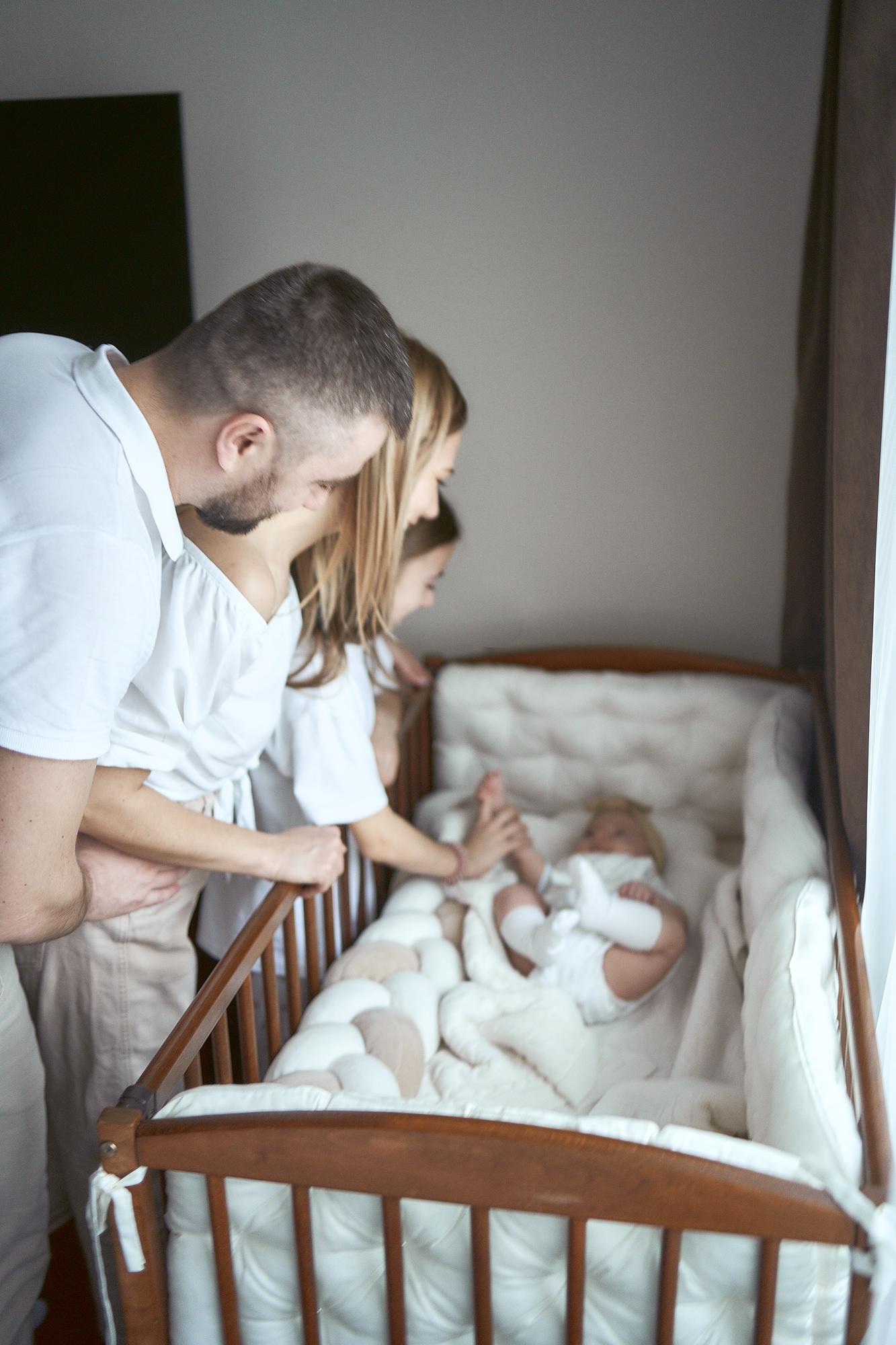
Newborn Sleep Concerns: When to Consult Dr. Tuto | Tbilisi
Learn when newborn sleep issues require medical attention. Expert guidance on normal vs concerning sleep patterns, crying during sleep, and when to seek professional help.
By Dr. Tamar (Tuto) Baramidze · 9 min read
Quick Answer
Contact your pediatrician if your newborn cries excessively during sleep attempts for more than 3 hours daily, shows sudden changes in sleep patterns, or displays concerning symptoms like fever, poor feeding, or unusual breathing during sleep. Most newborn sleep issues resolve with time, but persistent problems warrant professional evaluation.
Understanding Normal Newborn Sleep Patterns
When your newborn experiences sleep-crying episodes, it's natural to worry about whether this behavior falls within normal parameters. Sleep-crying in newborns is incredibly common and usually represents their developing ability to transition between sleep states and communicate basic needs.
Newborn sleep looks nothing like adult sleep. Your baby will sleep 14 to 17 hours per day, but only in 2 to 4-hour stretches. This fragmented pattern is completely normal and necessary for frequent feeding.
During the first few weeks, newborns don't distinguish between day and night. Their internal clock takes 3 to 4 months to mature. This means your baby may be wide awake at 2 AM and sleepy during afternoon visits from family.
Newborns also have shorter sleep cycles than adults, lasting only 50 to 60 minutes compared to 90 minutes for grown-ups. They spend more time in light sleep phases, making them more likely to wake frequently. This lighter sleep actually serves an important purpose, allowing babies to wake easily for feeding and safety.
Many international families in Tbilisi find that understanding these normal patterns helps reduce anxiety about their baby's sleep behavior. Cultural expectations about infant sleep often differ significantly from medical realities, making professional guidance particularly valuable.
Check availability (30 sec) — Dr. Tuto Baramidze provides home visits for newborns across Tbilisi.
When Crying During Sleep Becomes Concerning
Some fussiness around sleep time is expected. Newborns often cry before falling asleep as they learn to self-soothe. However, certain patterns indicate a need for medical evaluation.
Excessive crying during sleep attempts that lasts more than 3 hours daily for several consecutive days warrants attention. This differs from normal fussiness that responds to comfort measures like swaddling, gentle rocking, or feeding.
Sudden changes in your baby's established sleep patterns can signal underlying issues. If your previously good sleeper suddenly becomes extremely difficult to settle, or if a typically fussy baby becomes unusually lethargic, these changes deserve professional assessment.
Crying accompanied by other symptoms requires immediate evaluation. If your baby cries during sleep and also shows signs of fever, refuses to feed, has difficulty breathing, or appears unusually pale or flushed, contact your doctor promptly.
Decision Checklist: Should You Contact Your Pediatrician?
Contact your pediatrician if your baby shows any of these signs:
- Cries excessively (more than 3 hours daily) during sleep attempts for several consecutive days despite comfort measures
- Shows sudden changes in sleep patterns (previously good sleeper becomes very difficult to settle, or suddenly becomes unusually sleepy)
- Cries during sleep accompanied by fever, refusing feeds, or poor feeding overall
- Displays unusual color changes (pallor or flushing) during or after crying episodes
- Shows signs of pain or discomfort during sleep (arching back, drawing knees up, appearing distressed)
- Has difficulty breathing, gasping, or persistent grunting sounds during sleep
- Loses interest in feeding or shows poor weight gain combined with sleep difficulties
When to Call 112 Immediately
If your baby shows any of the following signs, call 112 immediately: stops breathing for more than 20 seconds, turns blue or gray, becomes completely limp or unresponsive, has a rectal temperature over 38°C (100.4°F), or shows signs of severe dehydration like sunken fontanelle or no wet diapers for 12 hours.
These emergency situations require immediate medical intervention and cannot wait for a routine pediatric consultation.
Sleep-Related Breathing Concerns
Newborn breathing patterns during sleep can appear irregular to worried parents. Babies naturally breathe faster than adults, taking 40 to 60 breaths per minute compared to an adult's 12 to 20.
Periodic breathing is normal in newborns. Your baby may breathe rapidly for 10 to 15 seconds, then pause for up to 20 seconds before resuming normal breathing. This pattern typically resolves by 6 months of age.
However, certain breathing patterns during sleep require medical attention. If your baby stops breathing for more than 20 seconds, turns blue or pale around the lips or face, or makes persistent grunting sounds while breathing, seek immediate care.
Noisy breathing during sleep isn't automatically concerning. Many newborns sound congested due to narrow nasal passages. But if the noise interferes with feeding or seems to cause distress, your pediatrician should evaluate your baby.
Sleep apnea, while less common in newborns than older children, can occur and requires professional evaluation. Signs include frequent pauses in breathing during sleep, excessive snoring for a newborn, and difficulty staying asleep due to breathing disruptions.
Upper respiratory infections can also significantly impact newborn sleep quality. Even minor congestion that seems insignificant to adults can create substantial breathing difficulties for babies, whose nasal passages are very small.
Environmental Factors Affecting Newborn Sleep
The sleep environment significantly impacts your newborn's ability to rest peacefully. Room temperature should stay between 68 to 70 degrees Fahrenheit. Overheating increases the risk of SIDS and can cause excessive crying.
Noise levels matter more than many parents realize. While newborns can sleep through significant household sounds, sudden loud noises can startle them awake. Creating consistent background noise helps mask these disturbances.
Light exposure affects your baby's developing circadian rhythm. Bright lights during nighttime feedings can interfere with your baby's ability to distinguish day from night. Dim lighting during night feeds helps preserve sleepiness.
Dr. Tuto Baramidze, a Pediatrician & Neonatologist, often finds that simple environmental adjustments resolve many sleep concerns during home visits in Tbilisi. Small changes in room setup, clothing, or routine can dramatically improve both baby and parent sleep quality.
Medical Conditions That Affect Newborn Sleep
Several medical conditions can interfere with normal newborn sleep patterns. Gastroesophageal reflux affects many newborns, causing discomfort when lying flat. Babies with reflux often cry when placed on their backs but must still sleep in this position for safety.
Colic affects up to 20% of newborns, causing intense crying episodes typically in the evening hours. While colic doesn't harm babies physically, it significantly disrupts family sleep and requires management strategies.
Allergies or food sensitivities can manifest as sleep disruption in breastfed babies when certain foods in the mother's diet affect the baby through breast milk. Formula-fed babies may react to proteins in their formula.
Respiratory conditions like laryngomalacia or other structural abnormalities can cause noisy breathing and frequent awakening. These conditions require specialist evaluation and often improve as the baby grows.
What Doctors Evaluate During Sleep Consultations
When you consult a pediatrician about sleep concerns, they conduct a comprehensive assessment. The evaluation begins with a detailed history of your baby's sleep patterns, feeding schedule, and any associated symptoms.
Physical examination focuses on signs that might interfere with comfortable sleep. Your doctor will check for signs of reflux, examine the airway for structural issues, and assess overall growth and development.
Dr. Tuto Baramidze emphasizes the importance of observing feeding patterns during sleep consultations. Poor weight gain combined with sleep difficulties often indicates underlying feeding issues that affect rest quality.
Environmental assessment helps identify modifiable factors. Your pediatrician will discuss room temperature, sleep surfaces, clothing choices, and daily routines that might impact sleep quality.
Creating Realistic Expectations for Newborn Sleep
Managing expectations helps reduce parental anxiety about normal newborn sleep patterns. Your baby won't sleep through the night for several months, and this is medically appropriate for their nutritional and developmental needs.
Sleep regression periods are normal parts of infant development. Just when you think you've established a pattern, your baby's sleep may become disrupted again around growth spurts or developmental milestones.
Cultural factors in Georgia often influence family sleep expectations. Extended family members may offer conflicting advice about sleep training or schedules that aren't appropriate for very young newborns.
Working with your pediatrician helps distinguish between normal developmental phases and concerning patterns that require intervention. Professional guidance prevents unnecessary worry while ensuring genuine problems receive appropriate attention.
Related Articles
Understanding when to seek professional help for newborn sleep concerns ensures your baby receives appropriate care when needed. While most sleep challenges resolve naturally as babies mature, persistent issues benefit from expert evaluation and guidance.
When you're caring for your baby's first weeks at home, sleep concerns often feel overwhelming. Many expatriate families in Tbilisi benefit from international newborn care that understands both medical standards and cultural contexts.
For comprehensive guidance on establishing healthy sleep routines, consider reading about newborn feeding schedules and their impact on sleep patterns.
Ready to Get Help?
If your newborn's sleep-crying patterns concern you, don't wait for problems to escalate. Dr. Tuto Baramidze provides comprehensive newborn evaluations through convenient Full Checkup home visits throughout Tbilisi, offering expert assessment in the comfort of your own home.
Check availability (30 sec) — Dr. Tuto Baramidze provides home visits for newborns across Tbilisi.
Frequently Asked Questions
How much crying during sleep attempts is too much?
If your newborn cries for more than 3 hours daily when you attempt to put them down for sleep, and this pattern continues for several days despite trying different comfort measures, contact your pediatrician. Some fussiness is normal, but excessive crying that interferes with any sleep may indicate an underlying issue requiring evaluation.
Should I wake my newborn if they're sleeping too long?
Generally, you shouldn't wake a sleeping newborn unless directed by your pediatrician. However, if your baby is sleeping more than 4 hours at a time during the first few weeks and missing feeding opportunities, or if they suddenly become much more sleepy than usual, discuss this pattern with your doctor.
When will my baby's sleep patterns become more predictable?
Most babies begin developing more predictable sleep patterns between 3 to 4 months of age as their circadian rhythms mature. However, individual variation is significant, and some babies take longer to establish consistent patterns. Sudden disruptions to established patterns warrant medical evaluation.
Is it normal for newborns to make noise while sleeping?
Many newborns make various sounds during sleep, including grunting, squeaking, and irregular breathing patterns. However, persistent loud breathing, continuous grunting that seems to require effort, or any sounds accompanied by color changes around the lips require immediate medical attention.
Sources
Dr. Tamar (Tuto) Baramidze
Pediatrician & Neonatologist, Tbilisi
20+ years of experience in newborn and pediatric care. Trusted by families from 30+ countries.
Read full profile →