Newborn Temperature: What is Normal? Complete Parent Guide
Learn what temperature ranges are normal for newborns, when to worry about fever or hypothermia, and how to accurately measure your baby"s temperature at home.
By Dr. Tamar (Tuto) Baramidze · 7 min read
Quick Answer
Normal newborn temperature ranges from 36.5°C to 37.5°C (97.7°F to 99.5°F) when measured rectally. A rectal temperature above 38°C (100.4°F) indicates fever in babies under 3 months old. Temperature below 36°C (96.8°F) is also concerning and requires immediate medical attention.
Understanding Normal Temperature Ranges in Newborns
Newborn babies have developing temperature regulation systems that work differently from older children and adults. Their normal body temperature typically runs slightly higher than adults, with rectal temperatures between 36.5°C and 37.5°C considered completely normal.
The location where you measure temperature significantly affects the reading. Rectal temperatures provide the most accurate measurement for newborns and are considered the gold standard by pediatricians worldwide. Oral temperatures are not possible with newborns, while armpit (axillary) temperatures tend to read about 0.5°C lower than rectal measurements.
Forehead and ear thermometers, while convenient, can be less reliable in very young babies. Their accuracy depends on proper positioning and can be affected by external factors like room temperature or recent feeding.
When Newborn Temperature Becomes Concerning
Fever in newborns is defined as any rectal temperature of 38°C (100.4°F) or higher. Unlike older children, newborns cannot mount the same immune response, making even low-grade fevers potentially serious.
A temperature below 36°C (96.8°F) is equally concerning in newborns. This condition, called hypothermia, can indicate serious infections or other medical problems. Newborns have limited ability to generate and maintain body heat, especially if they are premature or have low birth weight.
Temperature instability, where readings fluctuate significantly over short periods, can also signal underlying health issues. Consistent monitoring helps identify these patterns that might otherwise go unnoticed.
Checklist: Is My Newborn's Temperature a Concern?
Use this checklist to help decide when to seek medical attention:
- Rectal temperature 38°C (100.4°F) or higher — Call your doctor or emergency services immediately
- Rectal temperature below 36°C (96.8°F) — Seek immediate medical attention
- Temperature reading fluctuates significantly over a short period (more than 1°C variation within hours)
- Fever accompanied by other symptoms — Extreme fussiness, difficulty breathing, poor feeding, or unusual drowsiness
- Baby is under 3 months old with any fever — Medical evaluation required regardless of how well they appear
- Temperature seems inconsistent with how baby feels — Your baby feels hot but temperature reads normal, or vice versa
- Unsure about the reading — Retake temperature using rectal method to confirm before deciding on action
Factors That Affect Newborn Temperature
Several factors can influence your baby's temperature throughout the day. Room temperature plays a significant role, as newborns cannot effectively regulate their body heat in response to environmental changes.
Feeding can temporarily raise body temperature, which is why some parents notice slightly higher readings after breastfeeding or bottle feeding. This slight increase is normal and typically resolves within an hour.
Clothing and swaddling affect temperature regulation. Overdressing can cause overheating, while insufficient clothing in cooler environments can lead to heat loss. The key is dressing your baby in one more layer than what feels comfortable for you.
Sleep patterns also influence temperature. Many babies run slightly warmer during deep sleep phases. Time of day matters too, as body temperature naturally fluctuates throughout a 24-hour cycle, typically being lowest in early morning and highest in late afternoon.
How to Take Your Newborn's Temperature Accurately
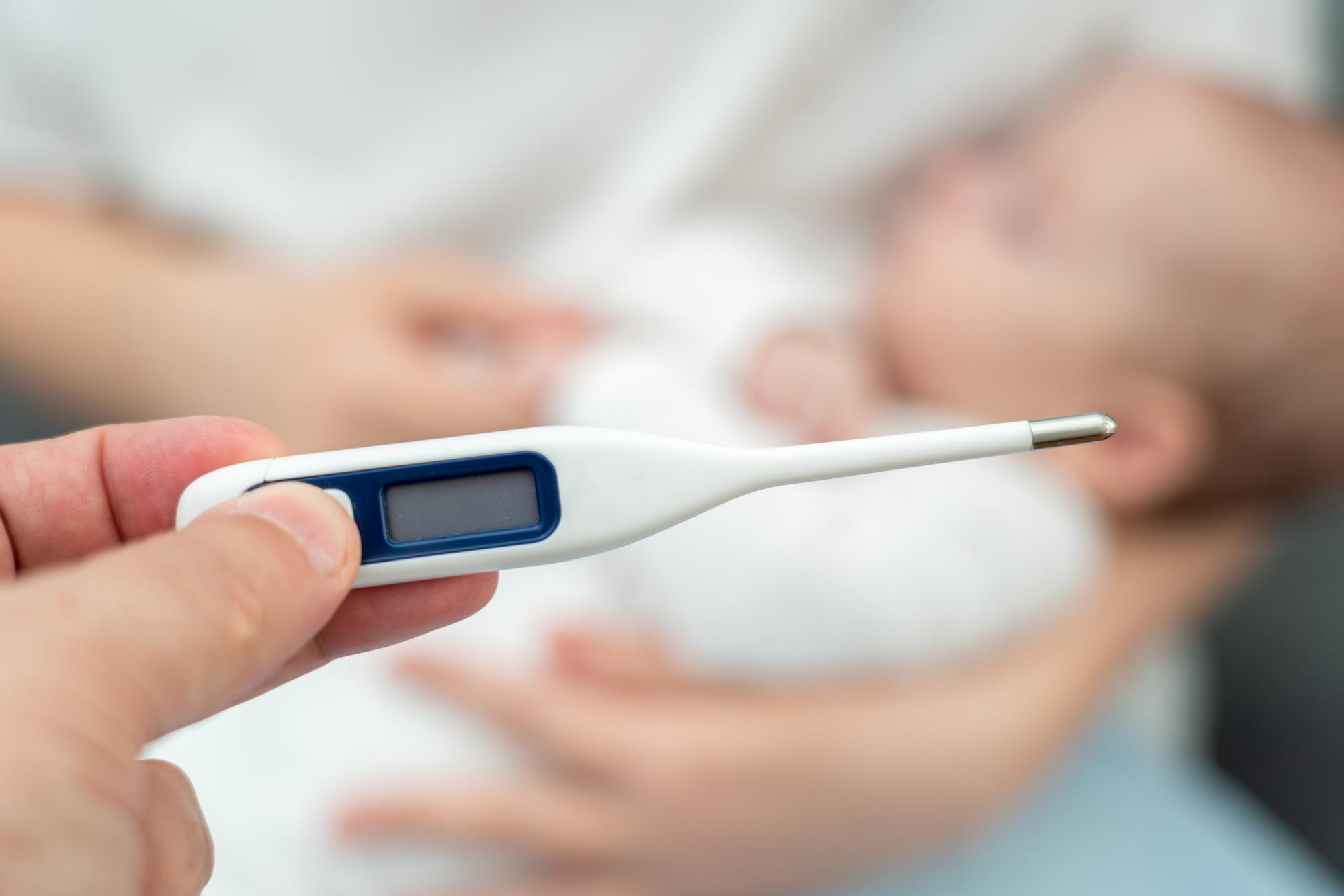
Rectal temperature measurement requires a digital thermometer designed for infant use. Clean the thermometer with rubbing alcohol, apply a small amount of petroleum jelly to the tip, and gently insert it no more than 1.25 cm into the rectum while your baby lies on their stomach or back.
Hold the thermometer steady for the duration recommended by the manufacturer, usually 1-2 minutes or until it beeps. Never leave your baby unattended during temperature measurement, and always hold the thermometer securely to prevent injury.
Axillary (armpit) measurements are safer but less accurate. Place the thermometer tip in the center of the armpit with your baby's arm pressed down against their body. Add 0.5°C to the reading to estimate the rectal temperature equivalent.
Managing Temperature Concerns in International Families
Living in Georgia as an international family can present unique challenges when dealing with newborn temperature concerns. Understanding local emergency services and having contact information readily available becomes essential during medical situations.
Cultural differences in childcare practices around temperature management exist globally. What might seem normal in one culture could be concerning in another. Consulting with local pediatricians helps navigate these differences while ensuring your baby receives appropriate care.
Language barriers can complicate emergency situations. Having key medical terms translated and emergency numbers programmed in your phone helps ensure clear communication with healthcare providers when temperature-related concerns arise.
When to call 112: If your baby shows any of the following signs, call 112 immediately: rectal temperature above 38°C (100.4°F), temperature below 36°C (96.8°F), extreme fussiness with fever, difficulty breathing, poor feeding with temperature changes, or any fever in babies under 3 months old.
During your baby's first week at home, temperature monitoring becomes part of daily care routines. Many parents find comfort in understanding what readings to expect and when to seek help. For families navigating international newborn care in Georgia, having reliable temperature guidelines helps build confidence in those crucial early weeks.
Temperature concerns in newborns require careful attention and professional guidance. While minor fluctuations are normal, significant changes warrant medical evaluation. Consulting with a local pediatrician provides personalized guidance based on your baby's specific health needs and circumstances.
Frequently Asked Questions
Is it normal for my newborn's hands and feet to feel cold even when their body temperature is normal?
Yes, this is completely normal in newborns. Babies have immature circulation systems, causing blood to prioritize vital organs over extremities. Cold hands and feet are common even when core body temperature remains normal. Focus on keeping your baby's chest and back warm rather than worrying about cool extremities.
How often should I check my newborn's temperature?
Regular temperature checks aren't necessary for healthy newborns unless they show signs of illness. Check temperature when your baby feels unusually warm or cool to touch, seems more fussy than usual, is feeding poorly, or appears unwell. Routine daily temperature monitoring is not recommended for well babies.
Can teething cause fever in very young babies?
True teething typically doesn't begin until 4-6 months of age, so fever in newborns and very young babies is rarely related to tooth eruption. Any fever in babies under 3 months requires medical evaluation regardless of suspected cause, as their immune systems cannot effectively fight infections.
What should I do if my baby's temperature is slightly elevated but they seem otherwise well?
Any rectal temperature of 38°C (100.4°F) or higher in babies under 3 months requires immediate medical attention, even if the baby appears well otherwise. Young babies can have serious infections without showing obvious symptoms, making fever one of the few early warning signs available.
Are temporal artery thermometers accurate for newborns?
Temporal artery (forehead) thermometers can be less reliable in newborns compared to rectal measurements. While convenient and non-invasive, they may not detect fever as accurately in very young babies. For the most precise readings in newborns, rectal temperature measurement remains the preferred method.
Sources
Dr. Tamar (Tuto) Baramidze
Pediatrician & Neonatologist, Tbilisi
20+ years of experience in newborn and pediatric care. Trusted by families from 30+ countries.
Read full profile →