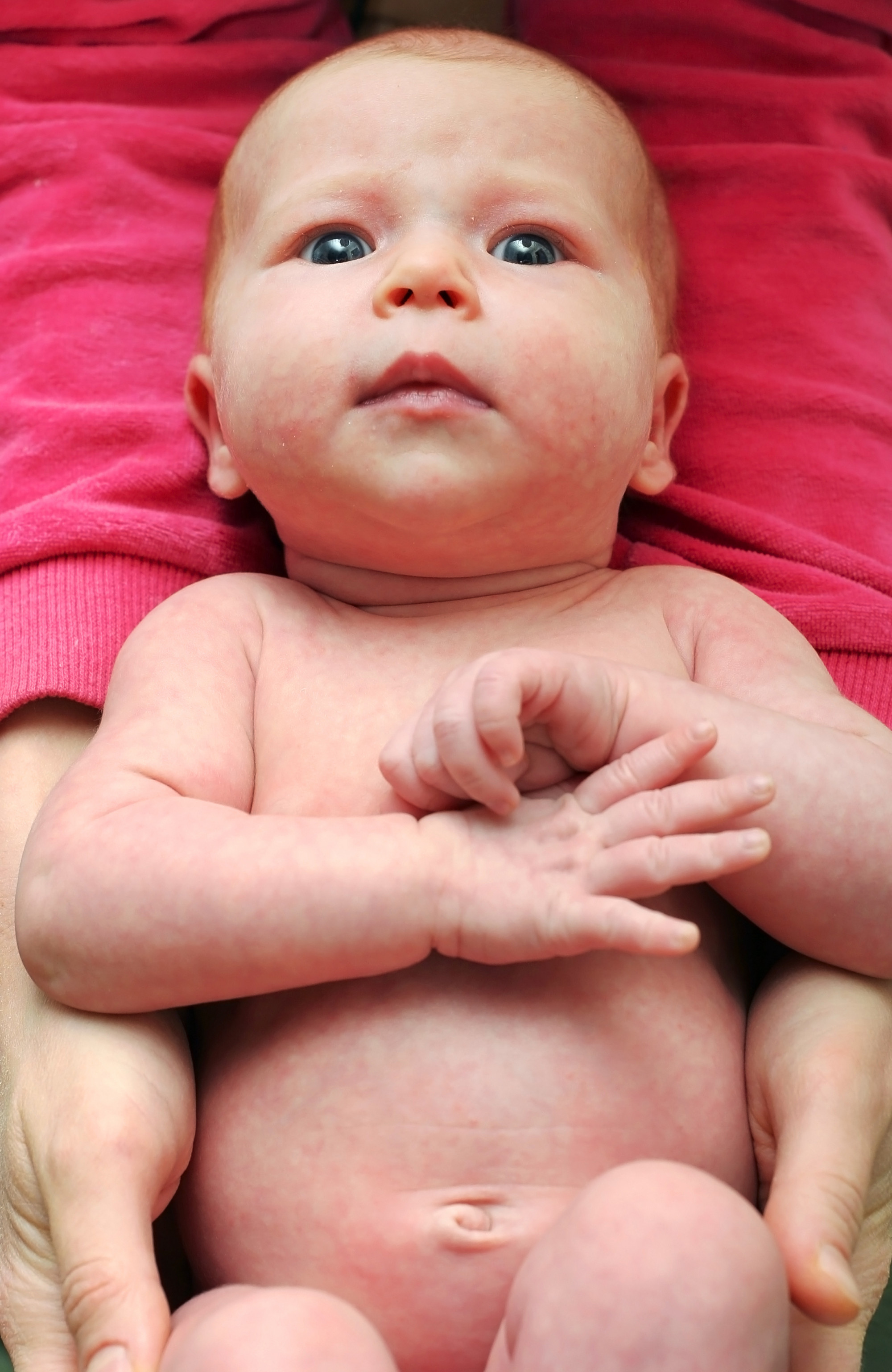
Newborn Rash vs Infection: Key Warning Signs for Parents
Learn to distinguish between normal newborn rashes and serious skin infections. Understand warning signs that require immediate medical attention and when to seek help.
By Dr. Tamar (Tuto) Baramidze · 8 min read
Quick Answer
Normal newborn rashes appear as small red bumps or blotchy patches without fever, typically on the face and body, while infections cause redness with warmth, swelling, pus, or systemic symptoms like fever and poor feeding. Infections require immediate medical attention, whereas most newborn rashes resolve on their own within days to weeks.
Distinguishing between normal newborn rashes and serious skin infections is one of the most common concerns for new parents. Understanding the key symptoms that differentiate harmless skin conditions from infections requiring immediate medical attention helps parents make informed decisions about their baby's care. Most newborn skin changes represent normal developmental processes, but recognizing warning signs ensures prompt treatment when necessary.
Common Types of Normal Newborn Rashes
Most newborn skin conditions are completely normal and resolve without treatment. Erythema toxicum appears as small red bumps with white centers, typically showing up in the first few days of life. This common rash affects up to half of all newborns and often moves around the body, appearing on the face, chest, and limbs.
Milia presents as tiny white bumps on the nose, cheeks, and chin. These small cysts form when dead skin cells become trapped in hair follicles. Baby acne develops as small red or white bumps on the face, usually appearing between two to four weeks of age due to maternal hormones still circulating in your baby's system.
Heat rash manifests as small red bumps in areas where sweat gets trapped, particularly in skin folds of the neck, armpits, and diaper area. This condition occurs when sweat ducts become blocked, creating tiny bumps that may look concerning but are harmless.
Seborrheic dermatitis, commonly called cradle cap, creates scaly, yellowish patches on the scalp and sometimes extends to the eyebrows, ears, and skin folds. This condition results from overactive oil glands and typically resolves within the first few months of life without treatment.
Warning Signs of Skin Infections
Bacterial skin infections in newborns require immediate medical evaluation. Impetigo appears as red sores that quickly rupture and form honey-colored crusts, often around the mouth and nose. The affected area feels warm to touch and may spread rapidly to other parts of the body.
Cellulitis presents as a red, swollen, warm area of skin that feels tender when touched. The redness has poorly defined borders and may streak outward from the initial site. Your baby may develop fever, become irritable, or feed poorly when cellulitis develops.
Pustular infections create pus-filled bumps that are larger and more inflamed than normal newborn rashes. The surrounding skin appears red and swollen, and the pustules may rupture and form crusts. Any pus-filled lesions in newborns warrant immediate medical assessment, as bacterial infections can progress quickly in this age group.
When to call 112 immediately:
- Fever above 38°C (100.4°F) in babies under 3 months
- Rapidly spreading red streaks from any skin lesion
- Pus-filled lesions with surrounding warmth and swelling
- Baby appears severely ill, lethargic, or difficult to wake
- Difficulty breathing or feeding refusal
Check availability (30 sec) — Dr. Tuto Baramidze provides home visits for newborns across Tbilisi.
Key Differences to Look For
Temperature changes in the affected skin area provide important clues about infection versus normal rash. Infections typically cause warmth when you gently touch the area, while normal rashes feel the same temperature as surrounding skin. The borders of infectious lesions often appear poorly defined with redness extending beyond the initial bump or sore.
Normal newborn rashes maintain consistent coloring without progressive changes, whereas infections show increasing redness, swelling, or pus formation over hours to days. The pattern of spread also differs significantly between conditions. Normal rashes may appear in multiple locations simultaneously but remain stable in appearance, while infections typically start in one area and spread outward or develop additional lesions nearby.
Your baby's overall behavior provides crucial information about the severity of any skin condition. Babies with normal rashes continue feeding well, sleep normally, and maintain their usual activity levels. When infections develop, newborns often become more irritable, feed poorly, or seem less alert than usual.
Quick Assessment Checklist:
- Check if the affected area feels warm compared to surrounding skin
- Look for pus, honey-colored crusting, or increasing redness
- Monitor your baby's feeding patterns and alertness levels
- Note if lesions are spreading rapidly or changing appearance
- Take your baby's temperature if you notice any concerning changes
- Observe for red streaking extending from any skin lesion
When Your Baby Needs Medical Evaluation
Any fever in a newborn under three months old requires immediate medical attention, especially when accompanied by skin changes. The combination of skin lesions and fever may indicate a serious bacterial infection that could spread to other parts of the body. Your doctor can evaluate whether the fever relates to the skin condition or represents a separate concern.
Changes in feeding patterns alongside skin lesions warrant medical evaluation. When babies feed poorly, seem unusually sleepy, or become difficult to wake, these symptoms may indicate that a skin infection has become systemic. The relationship between your baby's first week at home adjustments and skin changes helps doctors determine whether symptoms represent normal newborn variations or concerning developments.
Rapid progression of skin lesions requires prompt assessment regardless of other symptoms. What starts as a small red area should not spread quickly or develop pus within hours. Many parents in Tbilisi find that early consultation prevents complications and provides peace of mind when navigating international newborn care in Georgia.
Parents should also seek medical evaluation when they notice multiple symptoms occurring together, such as skin changes combined with decreased urination, persistent crying that cannot be soothed, or any behavioral changes that seem unusual for their baby. Trust your instincts as a parent - you know your baby best, and concerning changes warrant professional assessment.
Treatment and Care Approaches
Normal newborn rashes require minimal intervention beyond gentle skin care. Keep the affected areas clean and dry, use fragrance-free soaps, and avoid over-washing or scrubbing the skin. Cotton clothing allows better air circulation and reduces irritation compared to synthetic materials.
For heat rash, dress your baby in lightweight clothing and maintain comfortable room temperatures. Avoid applying lotions or creams unless specifically recommended by your healthcare provider, as these products may trap heat and worsen the condition.
Suspected infections need professional medical management. Your pediatrician can determine whether topical or systemic antibiotics are necessary based on the specific type and extent of infection. Home remedies and over-the-counter treatments are not appropriate for managing suspected bacterial infections in newborns.
Preventive measures help reduce the risk of both normal rashes and infections. Gentle daily bathing with plain warm water, thorough drying of skin folds, and frequent diaper changes maintain healthy skin barriers. Avoid using multiple new products simultaneously, as this makes it difficult to identify potential irritants if skin reactions develop.
Check availability (30 sec) — Dr. Tuto Baramidze provides home visits for newborns across Tbilisi.
Frequently Asked Questions
How quickly do normal newborn rashes resolve?
Most normal newborn rashes resolve within two to four weeks without treatment. Erythema toxicum typically disappears within the first week, while baby acne may persist for several weeks as maternal hormones clear from your baby's system. Milia often resolves within the first month but can occasionally persist longer without causing any problems.
Can I use diaper rash cream on other newborn rashes?
Diaper rash cream should only be used in the diaper area unless specifically recommended by your healthcare provider. These thick, barrier creams can trap heat and worsen conditions like heat rash or baby acne when applied to other areas of the body. Gentle cleansing with plain water is usually sufficient for most newborn rashes.
What makes newborn skin more susceptible to both rashes and infections?
Newborn skin is thinner and more permeable than adult skin, making it more sensitive to irritants and environmental changes. The immune system is still developing, which means babies cannot fight off bacterial infections as effectively as older children. Additionally, the skin's natural protective barriers are not fully mature in the first few weeks of life.
Should I be concerned if my baby's rash appears to move around the body?
Erythema toxicum commonly moves around the body, appearing in different locations over several days. This migration pattern is actually characteristic of this normal newborn condition and does not indicate spreading infection. However, if lesions appear to be spreading rapidly in a linear pattern from one central point, this could indicate an infection requiring immediate medical evaluation.
Ready to Get Expert Help?
When you're concerned about your newborn's skin condition, professional evaluation provides the clarity and treatment you need. Dr. Tuto Baramidze offers comprehensive newborn care with Full Checkup home visits throughout Tbilisi, ensuring your baby receives prompt assessment in the comfort of your home.
Schedule your consultation today — Available 24/7 for urgent newborn concerns.
Sources
Dr. Tamar (Tuto) Baramidze
Pediatrician & Neonatologist, Tbilisi
20+ years of experience in newborn and pediatric care. Trusted by families from 30+ countries.
Read full profile →