Newborn Vaccines Georgia: Complete Parent Guide | Dr. Tuto
Essential guide to newborn vaccinations in Georgia, covering timing, safety, and what international families need to know about their baby"s first immunizations.
By Dr. Tamar (Tuto) Baramidze · 7 min read
Quick Answer
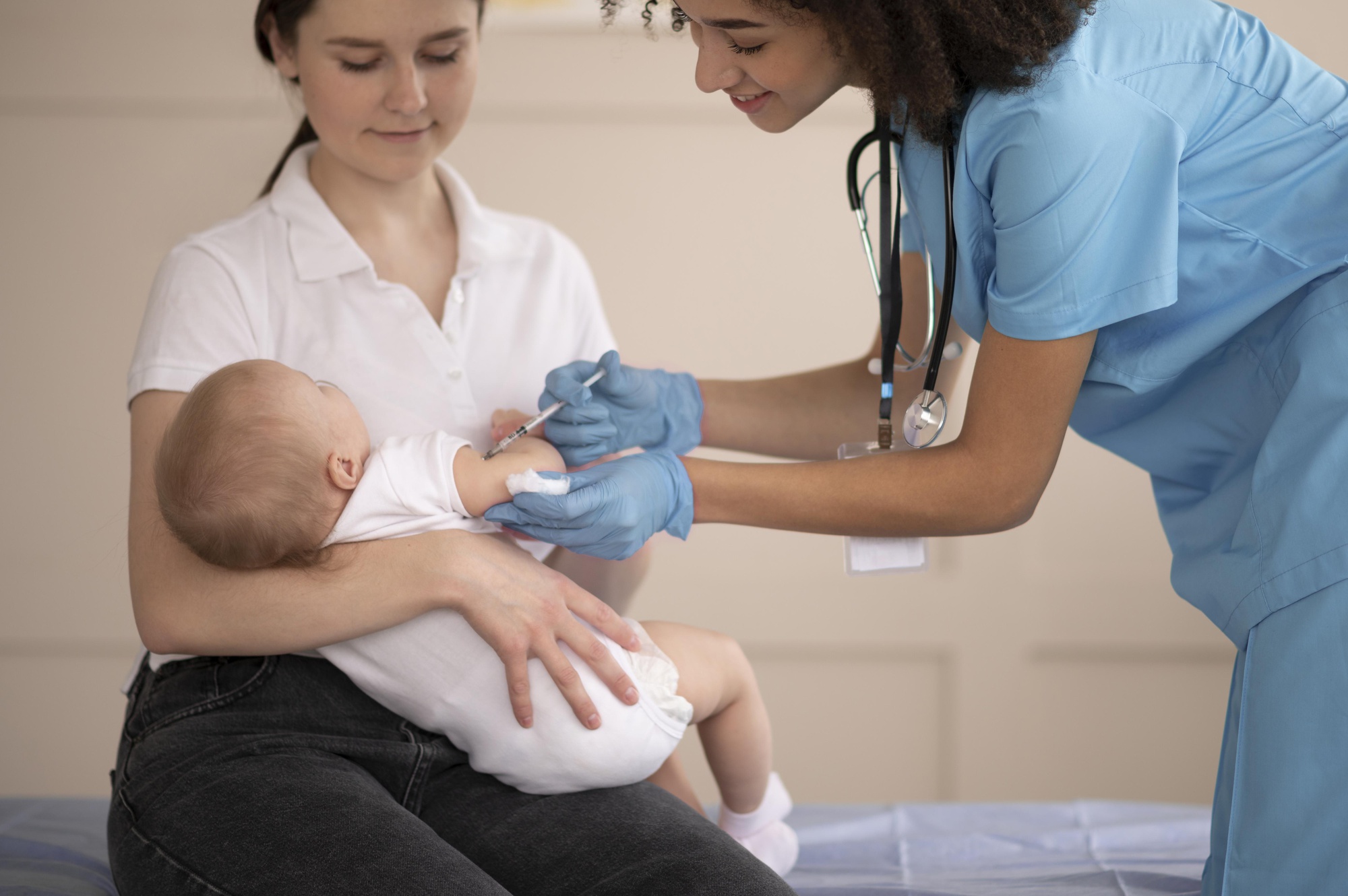
Newborns receive their first vaccines within 24 hours of birth, starting with hepatitis B, followed by BCG and other routine immunizations according to Georgia's national schedule. These early vaccines protect against serious diseases when babies' immune systems are most vulnerable. Understanding the timing and importance of each vaccine helps parents make informed decisions about their child's health.
Understanding Your Baby's First Vaccines
The first vaccines your newborn receives are carefully timed to provide protection when natural immunity from pregnancy begins to fade. In Georgia, the national immunization program follows international guidelines established by the World Health Organization, ensuring your baby receives the same standard of protection available worldwide.
Hepatitis B vaccine represents the very first immunization most babies receive, typically given within 12 to 24 hours after birth. This vaccine prevents a serious liver infection that can cause lifelong complications. The timing is crucial because hepatitis B can be transmitted during birth if the mother carries the virus, even if she shows no symptoms.
BCG vaccine protects against tuberculosis and is routinely given to newborns in Georgia due to the higher prevalence of TB in this region compared to some Western countries. This vaccine is typically administered before hospital discharge, usually within the first few days of life.
How Newborn Vaccines Work
Vaccines work by introducing a small, safe portion of a virus or bacteria to your baby's immune system. This exposure allows the immune system to recognize and remember the pathogen, creating antibodies that provide future protection without causing the actual disease.
Newborn immune systems are remarkably capable of responding to vaccines, despite being immature. Babies are born with some temporary immunity from antibodies passed through the placenta during pregnancy, but this protection fades over the first few months of life. Vaccines bridge this gap by stimulating the baby's own immune system to produce lasting protection.
The vaccines given to newborns have been extensively tested for safety in this age group. The amounts of antigens in modern vaccines are much smaller than what babies encounter naturally in their environment every day, yet they provide robust protection against serious diseases.
Georgia's Newborn Vaccination Schedule
Georgia follows a comprehensive vaccination schedule that begins at birth and continues through the first years of life. The schedule is designed to provide protection at the optimal times when babies are most vulnerable to specific diseases.
Within the first 24 hours, most babies receive the hepatitis B vaccine. BCG vaccination typically follows within the first week of life, preferably before hospital discharge. Some hospitals may also begin the routine series of vaccines that protect against diphtheria, tetanus, pertussis, polio, and other diseases during the first few days.
Check availability (30 sec) — Dr. Tuto Baramidze provides Full Checkup home visits for newborns across Tbilisi.
The exact timing may vary slightly between hospitals and individual circumstances, but the overall schedule remains consistent with international recommendations. Dr. Tuto Baramidze, Pediatrician & Neonatologist, can review your baby's vaccination record during home visits and ensure they stay on track with the recommended timeline.
Your Vaccination Schedule Checklist
Before leaving the hospital or at your first pediatric appointment, use this checklist to ensure your baby is on track:
- Hepatitis B vaccine given within 24 hours of birth (check vaccination card)
- BCG vaccine administered before hospital discharge
- Vaccination record includes vaccine names, dates, and batch numbers
- You have received an official vaccination certificate in writing
- Healthcare provider explained the schedule for next vaccines (typically at 2, 3, and 4 months)
- You understand normal mild reactions (fussiness, slight fever, injection site redness)
- You know when to seek emergency care (difficulty breathing, severe swelling, high fever above 38.5°C)
Common Concerns About Early Vaccination
Many parents worry about giving vaccines to such young babies, questioning whether their immune systems can handle the exposure. Research consistently shows that newborns can safely receive vaccines and benefit from the early protection they provide.
Some parents notice mild reactions after vaccination, such as fussiness, slight fever, or redness at the injection site. These reactions are normal signs that the immune system is responding appropriately to the vaccine. Serious adverse reactions to newborn vaccines are extremely rare, occurring in fewer than one in a million doses.
The decision about whether to space out vaccines or delay certain immunizations should always be made in consultation with your pediatrician. While some parents prefer alternative schedules, delaying vaccines leaves babies vulnerable during the time when they're at highest risk for serious complications from preventable diseases.
Special Considerations for International Families
International families living in Georgia often have questions about vaccine compatibility and recognition when traveling or relocating. The vaccines used in Georgia meet international standards and are widely recognized by health authorities worldwide.
Documentation of vaccinations is crucial for international families. Ensure you receive and maintain complete vaccination records that include the specific vaccines given, dates of administration, and batch numbers. These records will be essential when enrolling children in schools abroad or when healthcare providers in other countries need to assess immunization status.
Some international families may need additional vaccines not routinely given in Georgia, depending on their travel plans or country of origin. Your pediatrician can advise on any supplementary immunizations that might be recommended based on your family's specific circumstances.
When to call 112: If your baby shows any of the following signs after vaccination, call 112 immediately: difficulty breathing, severe swelling of face or throat, high fever above 38.5°C (101.3°F) that doesn't respond to fever reducers, unusual crying that lasts more than 3 hours, or signs of severe allergic reaction including widespread rash or loss of consciousness.
Understanding your baby's first week at home includes knowing what to expect after those initial vaccinations. Many families also benefit from learning about international newborn care in Georgia to understand how the healthcare system supports both local and expatriate families.
For international families navigating Georgia's healthcare system while ensuring their newborn receives appropriate care, consulting with an experienced pediatrician can provide valuable guidance on vaccination schedules, documentation requirements, and ongoing health monitoring.
Frequently Asked Questions
Can vaccines be delayed if my baby was born prematurely?
Premature babies generally receive vaccines according to their chronological age, not their adjusted age based on due date. Their immune systems respond well to vaccines even when born early, and the protection is especially important since premature babies face higher risks from infectious diseases. Your pediatrician will determine the appropriate timing based on your baby's specific medical condition and stability.
What should I do if my baby develops a fever after vaccination?
Mild fever after vaccination is common and usually indicates a normal immune response. You can provide comfort measures like skin-to-skin contact and ensure proper feeding. Contact your pediatrician if the fever exceeds 38.5°C (101.3°F), persists longer than 48 hours, or if your baby shows signs of serious illness like difficulty breathing, persistent crying, or refusing to feed.
Are the vaccines used in Georgia the same quality as those in Western countries?
Georgia uses vaccines that meet international quality standards established by the World Health Organization and are produced by the same manufacturers that supply vaccines to Western countries. The national immunization program follows WHO guidelines and European standards for vaccine storage, handling, and administration, ensuring the same level of safety and efficacy.
How do I get vaccination records that will be accepted internationally?
Request official vaccination certificates from your healthcare provider that include specific vaccine names, manufacturer information, batch numbers, and dates of administration. These should be documented in both Georgian and English when possible. Keep multiple copies and consider having them officially translated and notarized for future international use.
What happens if my baby misses a scheduled vaccination appointment?
Missing a vaccination appointment doesn't mean starting over with the vaccine series. Contact your pediatrician to reschedule as soon as possible. Most vaccines can be given with some flexibility in timing, and your doctor can determine the best approach to get your baby back on schedule while maintaining optimal protection.
Sources
Dr. Tamar (Tuto) Baramidze
Pediatrician & Neonatologist, Tbilisi
20+ years of experience in newborn and pediatric care. Trusted by families from 30+ countries.
Read full profile →