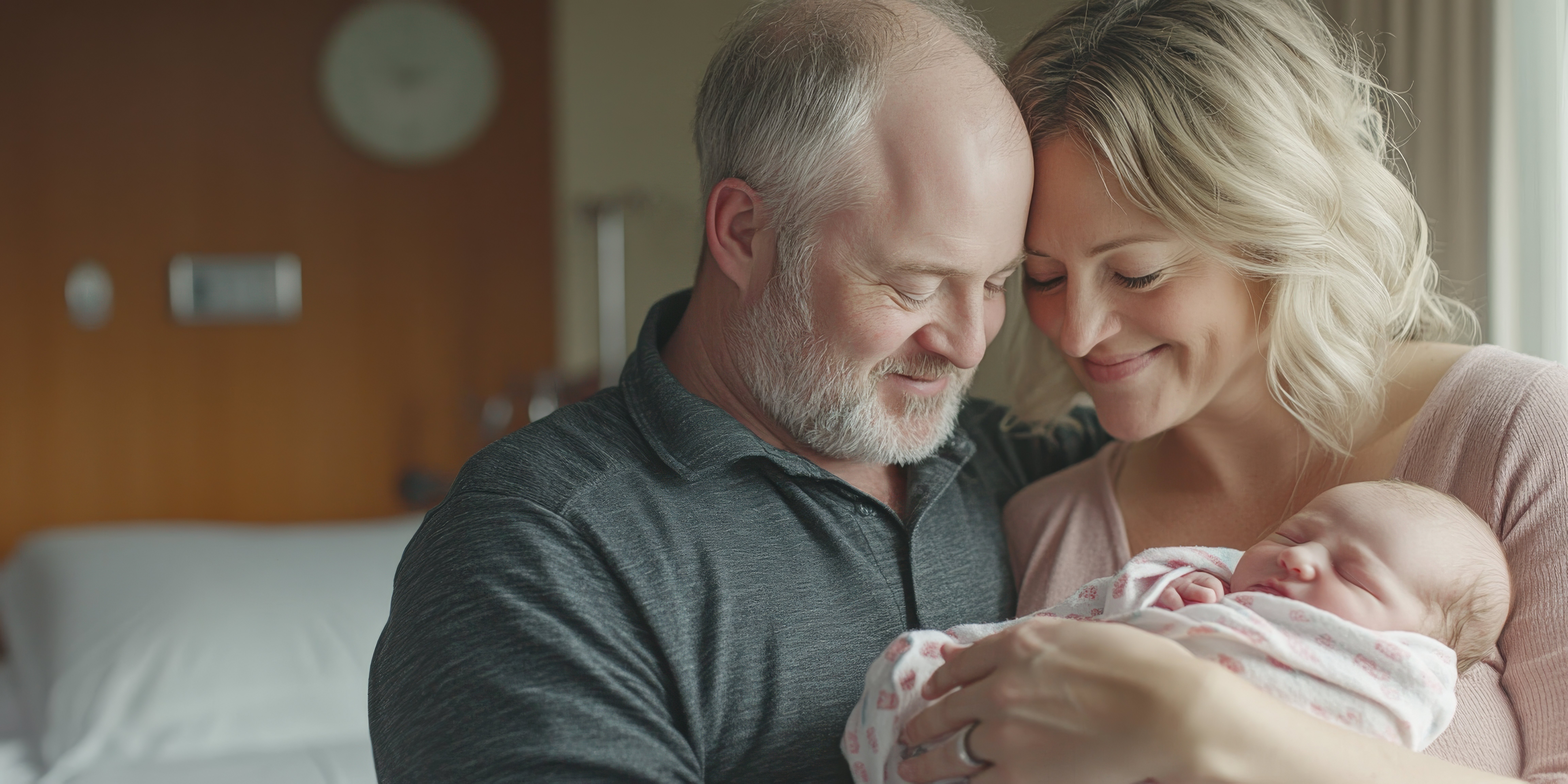
First 24 Hours with Newborn: Normal vs Warning Signs
In the first 24 hours with a newborn, focus on feeding every 2–3 hours, monitoring breathing, temperature, and skin color, and ensuring safe sleep. Most newborns are very sleepy and feed small amounts in the first day.
By Dr. Tamar (Tuto) Baramidze · 5 min read
Quick Answer
In the first 24 hours with a newborn, focus on feeding every 2–3 hours, monitoring breathing, temperature, and skin color, and ensuring safe sleep. Most newborns are very sleepy and feed small amounts in the first day. Seek urgent care if your baby has difficulty breathing, a temperature of 38°C or higher, blue or gray lips, or is hard to wake.
If You Are in Georgia Right Now
Many parents reading this are far from home — expats, medical tourists, or families who came to Georgia for surrogacy or IVF. Being in an unfamiliar country with a newborn adds a layer of anxiety that parents in their home country do not have. You may not know which number to call, which hospital to go to, or how the system works. In Georgia, the emergency number is 112. If your baby is in distress, call it. Do not wait for a WhatsApp reply or an online forum answer. The guidance below will help you recognize what is normal and what requires action.
First 24 Hours: What to Do
1. Feed your baby every 2–3 hours
Newborns need 8–12 feeds in 24 hours. In the first day or two, intake is small — this is normal. Colostrum, the first milk, comes in small volumes but is exactly what a newborn needs.
Reassuring signs: baby attempts to feed, you can see or hear swallowing.
Concerning signs: no feeding attempts at all, very weak or absent suck.
2. Watch the breathing
Newborn breathing is irregular. Short pauses of a few seconds are normal. Rapid, labored, or noisy breathing is not.
Normal: irregular rhythm, occasional brief pauses.
Warning signs: breathing faster than 60 breaths per minute, chest pulling in with each breath (retractions), grunting, flaring nostrils, blue or gray color around the lips or face.
3. Check the temperature
Normal newborn temperature is 36.5–37.5°C. For a baby under 6 months, take the temperature rectally (most accurate) or with a temporal artery (forehead) thermometer. Major pediatric guidelines (AAP, Mayo Clinic, Johns Hopkins) advise against ear (tympanic) thermometers under 6 months because the newborn ear canal is too narrow for an accurate reading.
Urgent rule: a temperature of 38°C or higher in a baby under 3 months requires medical evaluation the same day. Do not wait.
4. Watch the skin color
Normal: pink body, briefly bluish hands and feet in the first hours.
Not normal: blue lips or tongue, pale gray skin, or a yellow tint appearing in the first 24 hours.
5. Use safe sleep from the start
Place your baby on their back, on a firm, flat surface. No pillows, no loose blankets, no soft bedding. This applies from the very first sleep.
What Is Normal (Even If It Feels Wrong)
- A very sleepy baby who is hard to wake for feeds
- Tiny feed amounts in the first 12–24 hours
- Breathing that speeds up and slows down irregularly
- Hands and feet that feel cool and look slightly blue in the first hours
- Occasional crying that settles with feeding or holding
What Is NOT Normal
Contact a doctor if your baby:
- will not feed at all, or makes no attempt to feed
- is consistently hard to wake for feeds
- has abnormal breathing (see above)
- has a temperature of 38°C or higher
- has skin that looks yellow in the first 24 hours
When to Call 112 Immediately
Do not wait, do not search online first. Call 112 if your baby:
- is having difficulty breathing
- has blue or gray lips, tongue, or face
- is unresponsive or cannot be woken
If your baby shows any of these signs, call 112 immediately. Do not wait for a WhatsApp reply.
A Practical Next Step
Arrange a newborn check within 24–48 hours after discharge from hospital, especially if you were discharged early. A doctor will assess feeding, weight, hydration, breathing, and jaundice — and give you a clear picture of what to watch for at home.
If you are in Tbilisi and need a doctor, Dr. Tuto, a Pediatrician & Neonatologist, offers home visits for international families.
Related Guides
- What Happens in the First 3 Days After Birth
- Newborn Check in the First Days: When You Need a Doctor in Tbilisi
- Is My Newborn Eating Enough?
FAQ
How often should a newborn eat in the first 24 hours?
Every 2–3 hours, which is 8–12 times in 24 hours. Small amounts are normal in the first day.
Is it normal for a newborn to sleep almost all day?
Yes, but your baby should still wake for feeds. If they cannot be woken to feed, contact a doctor.
What temperature is too high for a newborn?
38°C or higher in a baby under 3 months requires medical evaluation the same day.
When should I worry about my newborn's breathing?
If your baby is breathing faster than 60 breaths per minute, the chest is pulling in with each breath, or there is grunting or blue color around the lips, seek medical attention immediately.
Evidence Base / Sources
- HealthyChildren.org (AAP): How Often and How Much Should Your Baby Eat?
- HealthyChildren.org (AAP): Safe Sleep: A Guide for Parents
- HealthyChildren.org (AAP): Common Conditions in Newborns
- UpToDate: Overview of the Routine Management of the Healthy Newborn Infant
- HealthyChildren.org (AAP): How to Take Your Child's Temperature
- NHS: Is Your Baby or Toddler Seriously Ill?
Dr. Tamar (Tuto) Baramidze
Pediatrician & Neonatologist, Tbilisi
20+ years of experience in newborn and pediatric care. Trusted by families from 30+ countries.
Read full profile →