Newborn Rash Medical Evaluation Guide | Dr. Tuto Tbilisi
Learn to identify when newborn rashes require immediate medical attention versus normal skin changes. Essential guide for recognizing red flag signs and concerning symptoms.
By Dr. Tamar (Tuto) Baramidze · 7 min read
Quick Answer
Most newborn rashes are harmless and resolve on their own, but certain signs require immediate medical evaluation. A rash needs professional assessment if it appears with fever, affects the baby's behavior, spreads rapidly, or includes blistering, bleeding, or signs of infection.
Understanding Normal vs. Concerning Newborn Rashes
Newborn skin goes through many changes in the first weeks of life, and rashes are incredibly common. Many parents worry when they see spots, bumps, or discoloration on their baby's delicate skin. Most newborn rashes fall into the category of normal developmental changes as the baby's skin adjusts to life outside the womb.
Erythema toxicum appears in up to 70% of full-term newborns, typically showing as small red bumps with white or yellow centers. This rash usually appears within the first few days of life and can move around the body. Milia presents as tiny white bumps, most commonly on the nose and cheeks, caused by blocked oil glands. Baby acne often develops around 2-4 weeks of age, appearing as small red bumps primarily on the face.
Check availability (30 sec) — Dr. Tuto Baramidze provides home visits for newborns across Tbilisi.
Heat rash or miliaria occurs when sweat ducts become blocked, creating small red bumps or tiny blisters. This commonly affects areas where clothing fits snugly or where skin folds create warmth and moisture. Seborrheic dermatitis, often called cradle cap when it affects the scalp, appears as greasy, yellowish scales or patches.
Red Flag Signs That Require Immediate Evaluation
Certain characteristics transform a routine newborn rash into a medical concern. Fever accompanying any rash in a newborn requires immediate medical attention, as newborns have immature immune systems and can become seriously ill quickly. The combination of rash and fever may indicate a bacterial or viral infection that needs prompt treatment.
Rapid spreading distinguishes concerning rashes from benign ones. When a rash appears to grow or spread within hours rather than days, this suggests an active infectious process or allergic reaction. Parents should monitor the boundaries of any rash and note significant changes in size or distribution.
Blistering, bleeding, or open sores indicate skin breakdown that creates risk for secondary infection. These signs suggest conditions like impetigo, herpes simplex, or severe allergic reactions that require specific medical treatment. Any rash that appears to cause pain when touched also warrants professional evaluation.
Behavioral changes accompanying a rash signal that the condition may be affecting the baby's overall well-being. Poor feeding, increased irritability, lethargy, or difficulty consoling the baby suggests the rash may be part of a systemic illness rather than a simple skin condition.
Specific Rash Types That Need Professional Assessment
Petechiae appear as tiny red or purple spots that don't blanch when pressed. These small dots may indicate bleeding under the skin and can signal serious conditions including blood clotting disorders or severe infections. Any appearance of petechiae requires immediate medical evaluation.
Vesicular rashes present as small fluid-filled bumps and may indicate viral infections such as herpes simplex or varicella. In newborns, herpes simplex can cause serious complications, making early identification and treatment critical. These rashes often appear clustered and may be accompanied by other symptoms.
Purpuric rashes appear as purple or dark red patches that don't fade with pressure. These may indicate bleeding disorders, severe infections, or other serious medical conditions. The fixed color and failure to blanch when pressed distinguishes purpura from other types of red rashes.
Cellulitis presents as areas of red, warm, swollen skin that may feel tender to touch. This bacterial skin infection can spread rapidly in newborns and requires antibiotic treatment. The affected area often has poorly defined borders and may be accompanied by red streaking.
When Location and Pattern Matter
The distribution and pattern of a rash provide important diagnostic clues. Rashes that follow specific patterns or appear in unusual locations may indicate particular conditions that require medical attention. Diaper area rashes that extend beyond typical diaper boundaries or fail to respond to standard care may signal bacterial or fungal infections.
Facial rashes that appear suddenly or affect the eyes, nose, or mouth area need careful evaluation. Some serious conditions preferentially affect facial skin, and proximity to mucous membranes can increase infection risk. Perioral rashes may indicate contact dermatitis from bottles, pacifiers, or other items that come in contact with the baby's mouth.
Widespread or generalized rashes covering large portions of the baby's body suggest systemic conditions rather than localized skin problems. These patterns may indicate drug reactions, infections, or other conditions affecting the entire body rather than just the skin.
Linear or geometric patterns in rashes often suggest contact with irritants or allergens. These unnatural patterns help differentiate contact dermatitis from infectious causes and may point to specific triggers in the baby's environment.
The Medical Evaluation Process
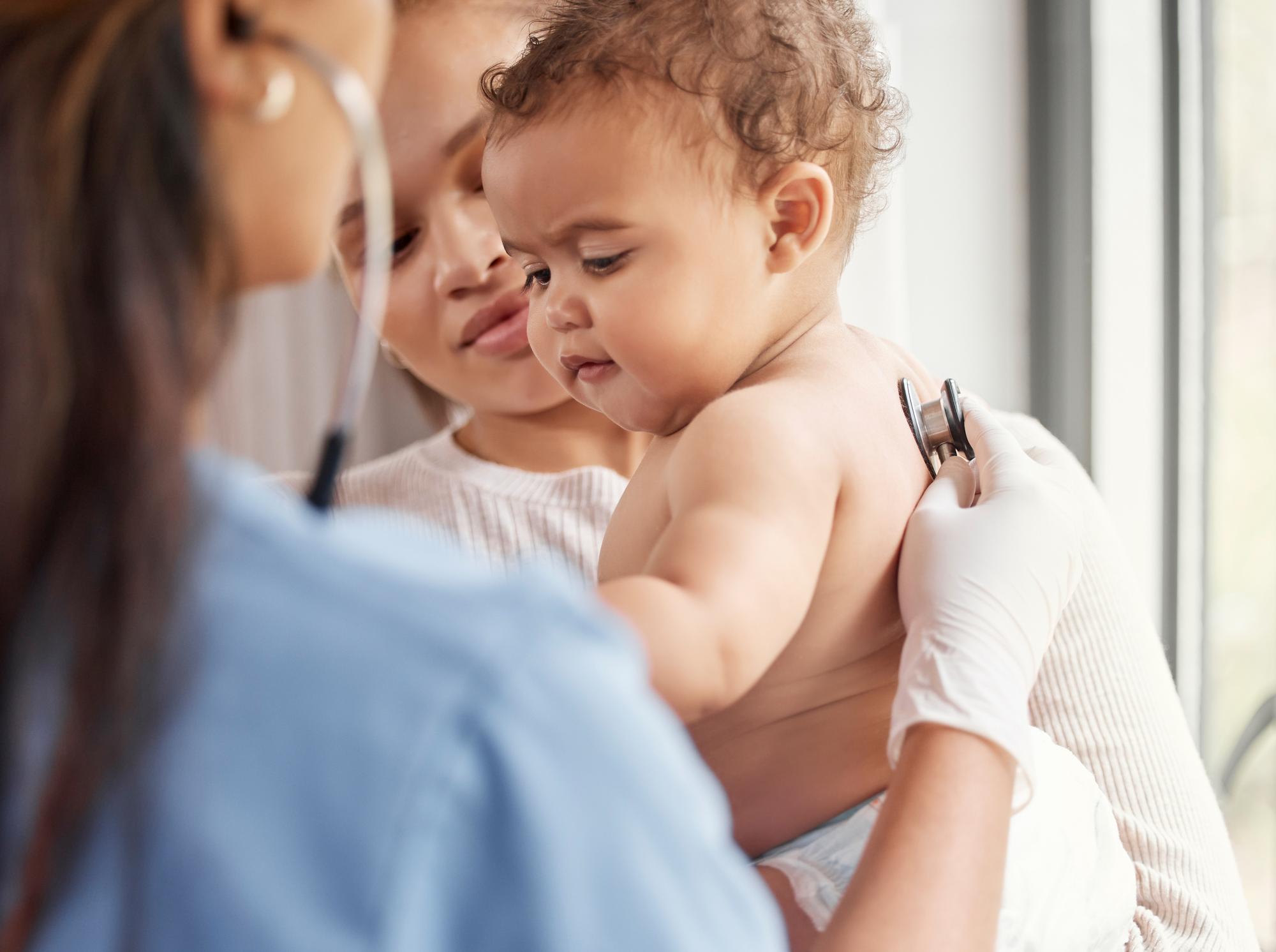
During a medical evaluation for newborn rash, healthcare providers examine the rash characteristics, distribution, and associated symptoms. Dr. Tuto Baramidze, Pediatrician & Neonatologist, conducts thorough skin examinations during home visit services, allowing parents to point out areas of concern in the comfort of their own environment. This comprehensive approach helps identify subtle changes that parents observe between visits.
The examination includes assessment of the rash's color, texture, size, and pattern. Healthcare providers look for signs of infection such as warmth, swelling, or discharge. They also evaluate the baby's overall health status, checking for fever, feeding patterns, and behavioral changes that might indicate systemic illness.
Laboratory testing may be necessary in some cases, particularly when infection is suspected. Bacterial cultures can identify specific organisms causing skin infections, while viral testing may be needed for vesicular rashes. Blood tests might be required if the rash suggests systemic illness or bleeding disorders.
Check availability (30 sec) — Dr. Tuto Baramidze provides home visits for newborns across Tbilisi.
The evaluation process also includes discussing the timeline of rash development, any new exposures, and changes in the baby's routine. This information helps healthcare providers determine whether the rash represents a normal newborn condition or requires specific treatment.
Understanding your baby's first week at home helps parents recognize normal skin changes versus concerning developments. For families new to Georgia, accessing international newborn care in Georgia ensures proper medical support during this critical period.
When to call 112: If your baby shows any of the following signs, call 112 immediately: fever with any rash, difficulty breathing, extreme lethargy, refusal to feed, rapid spreading of the rash, blistering or bleeding, or any rash with purple spots that don't fade when pressed.
Frequently Asked Questions
How quickly can a serious newborn rash develop?
Serious rashes can appear and progress within hours, particularly infectious causes like cellulitis or allergic reactions. Parents should monitor any new rash closely and seek medical attention if they notice rapid changes in size, color, or associated symptoms like fever or behavioral changes.
Can newborn rashes be prevented?
Many normal newborn rashes cannot be prevented as they result from normal developmental processes. However, maintaining good hygiene, using gentle baby products, keeping the skin clean and dry, and avoiding known irritants can help prevent some types of contact dermatitis and bacterial infections.
What's the difference between baby acne and a serious rash?
Baby acne typically appears as small red bumps primarily on the face around 2-4 weeks of age, without fever or behavioral changes. Serious rashes often have additional concerning features like rapid spreading, fever, blistering, or changes in the baby's feeding or activity level.
Should I take photos of my baby's rash?
Taking clear photos can be helpful for medical evaluation, especially if the rash changes appearance before the appointment. Photos should show the overall distribution and close-up details of the rash characteristics, but they should never replace in-person medical evaluation when concerning signs are present.
How long should I wait before seeking medical attention for a new rash?
For rashes without concerning features, monitoring for 24-48 hours is often reasonable. However, any rash accompanied by fever, behavioral changes, rapid spreading, or other red flag signs requires immediate medical evaluation regardless of timing.
Sources
Dr. Tamar (Tuto) Baramidze
Pediatrician & Neonatologist, Tbilisi
20+ years of experience in newborn and pediatric care. Trusted by families from 30+ countries.
Read full profile →