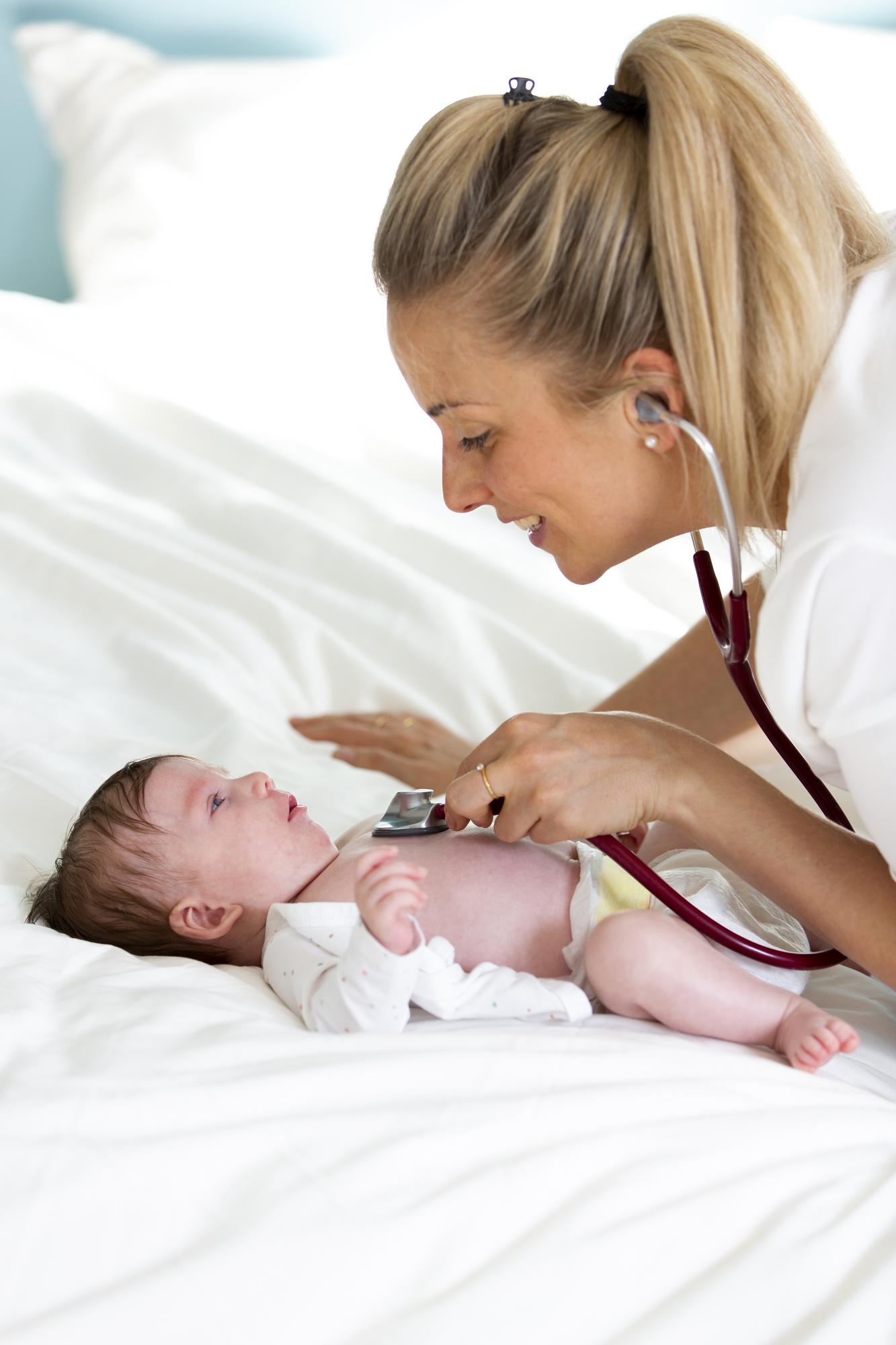
Newborn First Checkup: Pediatrician & Neonatologist
A clear breakdown of what Dr. Tuto assesses during a newborn's first checkup — and why each part matters.
By Dr. Tamar (Tuto) Baramidze · 5 min read
Quick Answer
A neonatologist's first newborn checkup covers vital signs, reflexes, feeding ability, breathing patterns, heart sounds, and physical development markers. This comprehensive assessment identifies any immediate concerns and establishes your baby's baseline health. The exam typically takes 30-45 minutes and helps ensure your newborn is adapting well to life outside the womb.
What happens during the first assessment
Your baby's first checkup begins within hours of birth. This isn't just a routine exam — it's a detailed evaluation of how well your newborn is transitioning to independent life. Dr. Tuto Baramidze, Pediatrician & Neonatologist, performs this assessment during home visits across Tbilisi, setting the baseline for your baby's first week plan.
The assessment covers multiple body systems. Each check serves a specific purpose in identifying potential issues early.
Vital signs and basic measurements
Temperature regulation
Your neonatologist checks if your baby can maintain normal body temperature. Newborns lose heat quickly, so this reveals how well their temperature control system works.
Heart rate and rhythm
Normal newborn heart rates range from 120-160 beats per minute. The doctor listens for irregular rhythms or murmurs that might indicate heart problems.
Breathing patterns
Newborns breathe 30-60 times per minute. The assessment checks for labored breathing, unusual sounds, or irregular patterns.
Weight and measurements
Birth weight, length, and head circumference are recorded. These measurements help track growth and identify any size-related concerns.
Neurological reflexes
Primitive reflexes
Your baby should show specific automatic responses. The Moro reflex (startle response), rooting reflex (turning toward touch), and grasp reflex indicate healthy nervous system development.
Muscle tone
The doctor assesses whether your baby's muscles have appropriate tension. Too floppy or too rigid can signal neurological issues.
Alertness and responsiveness
Healthy newborns show periods of alertness and respond to stimuli. This reveals brain function and sensory development.
Physical examination findings
Skin assessment
The doctor checks skin color, texture, and any birthmarks or rashes. Blue coloring around lips or extremities may indicate circulation problems.
Head and fontanelles
Soft spots on your baby's head should feel appropriate for their size and age. Bulging or sunken fontanelles can signal serious conditions.
Eyes and vision
Basic eye structure is examined. Red reflex testing checks for cataracts or other eye problems that need immediate treatment.
Mouth and palate
The roof of the mouth is checked for clefts. Tongue movement and sucking ability are also assessed.
Feeding and digestive system
Feeding coordination
Your neonatologist observes how well your baby coordinates sucking, swallowing, and breathing during feeds. Poor coordination can indicate neurological issues.
Stomach and bowel function
The abdomen is examined for unusual swelling or masses. First bowel movements and urination patterns are monitored.
Weight loss monitoring
Newborns typically lose 5-10% of birth weight in the first few days. Excessive loss requires investigation.
What to watch for at home
- Feeding patterns: Your baby should feed every 2-3 hours
- Wet diapers: At least 6 wet diapers per day after day 3
- Sleep cycles: Newborns sleep 16-17 hours daily in short bursts
- Color changes: Pink skin color, not blue or gray
- Activity levels: Periods of alertness between sleep and feeds
Red flags requiring immediate care
Call your neonatologist immediately if you notice:
- Difficulty breathing or fast breathing (over 60 breaths per minute)
- Blue coloring around lips, face, or body
- Feeding refusal for more than 6 hours
- No wet diapers for 12+ hours
- High fever (over 38°C/100.4°F) or very low temperature
- Excessive sleepiness or inability to wake for feeds
- Unusual crying patterns or high-pitched screaming
- Vomiting (not just spitting up)
- Seizure activity or unusual jerking movements
When to call 112
If your baby is in immediate danger, call 112 now. Do not wait. Emergency services in Georgia, including Tbilisi, respond to these calls 24/7.
Emergency signs include: stopped breathing, unconsciousness, severe color changes, or seizures.
FAQ
How long does the first checkup take?
A thorough newborn assessment typically takes 30-45 minutes. This allows time for complete examination and parent questions.
Will the examination hurt my baby?
Most parts of the exam are gentle and painless. Your baby may cry during position changes or reflex testing, but this is normal.
What if something abnormal is found?
Many newborn variations are normal and resolve on their own. If treatment is needed, early detection leads to better outcomes.
Can I stay with my baby during the exam?
Yes, parents are encouraged to stay present. This is an excellent time to ask questions and learn about your baby's health.
How often will follow-up exams occur?
Healthy newborns typically have checkups at 3-5 days, 2 weeks, and 1 month. More frequent visits may be needed if concerns arise.
Evidence base
- American Academy of Pediatrics. Guidelines for Perinatal Care, 8th Edition
- World Health Organization. Newborn Health Action Plan
- NHS Clinical Guidelines. Routine Examination of the Newborn
- Centers for Disease Control. Newborn Screening and Assessment
- UpToDate. Physical Examination of the Normal Newborn
Check availability (30 sec) → — Dr. Tuto Baramidze, Pediatrician & Neonatologist, conducts newborn checkups at your home across Tbilisi.
Dr. Tamar (Tuto) Baramidze
Pediatrician & Neonatologist, Tbilisi
20+ years of experience in newborn and pediatric care. Trusted by families from 30+ countries.
Read full profile →